05 Sep - 15 Nov 2026
IVAE Pavilion:
Gwangju Theatre
The 16th Gwangju Biennale
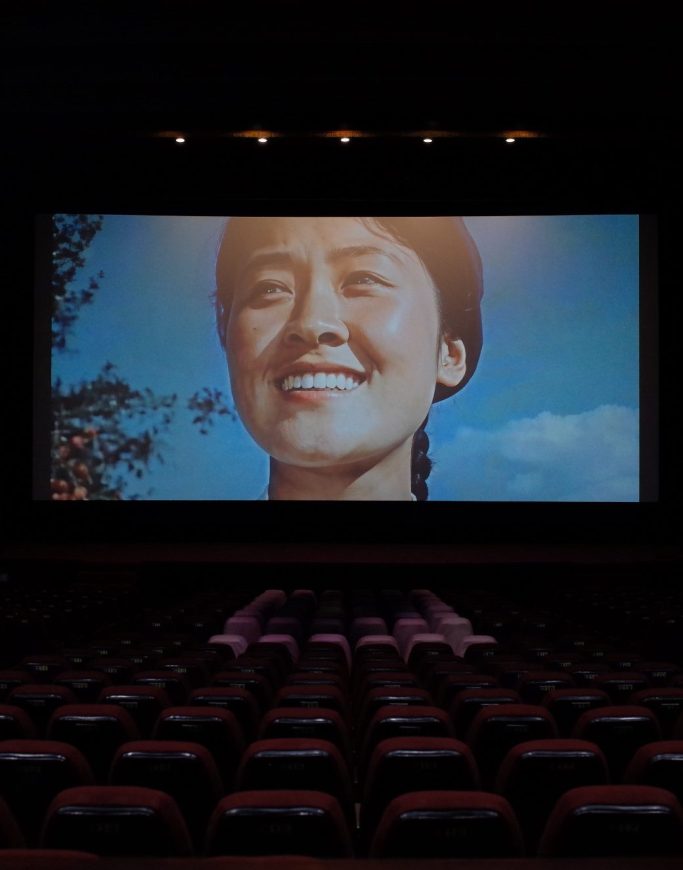
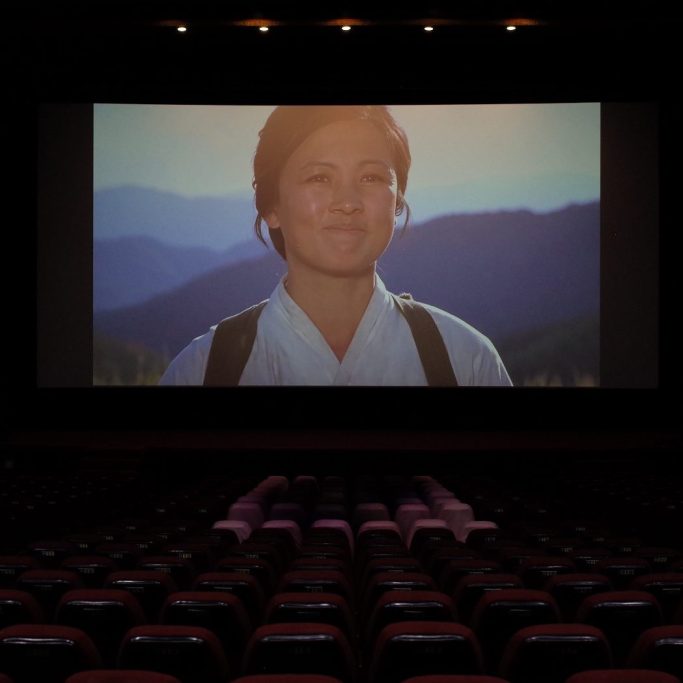
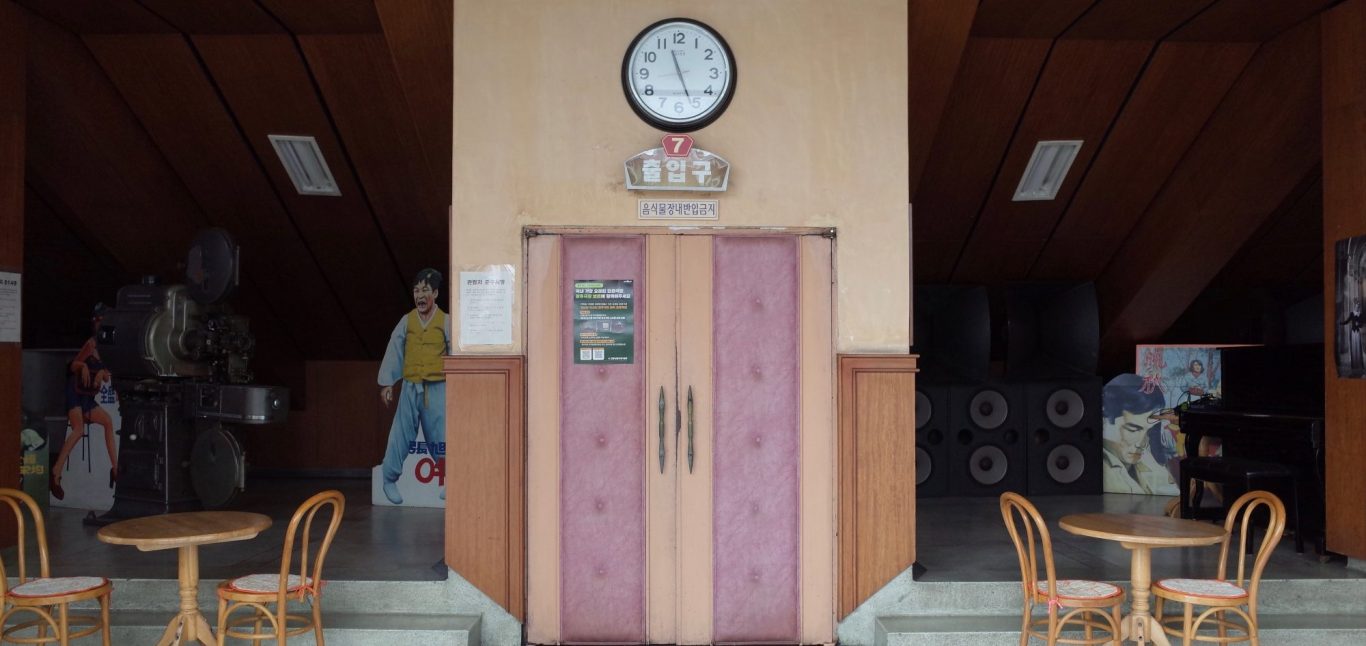
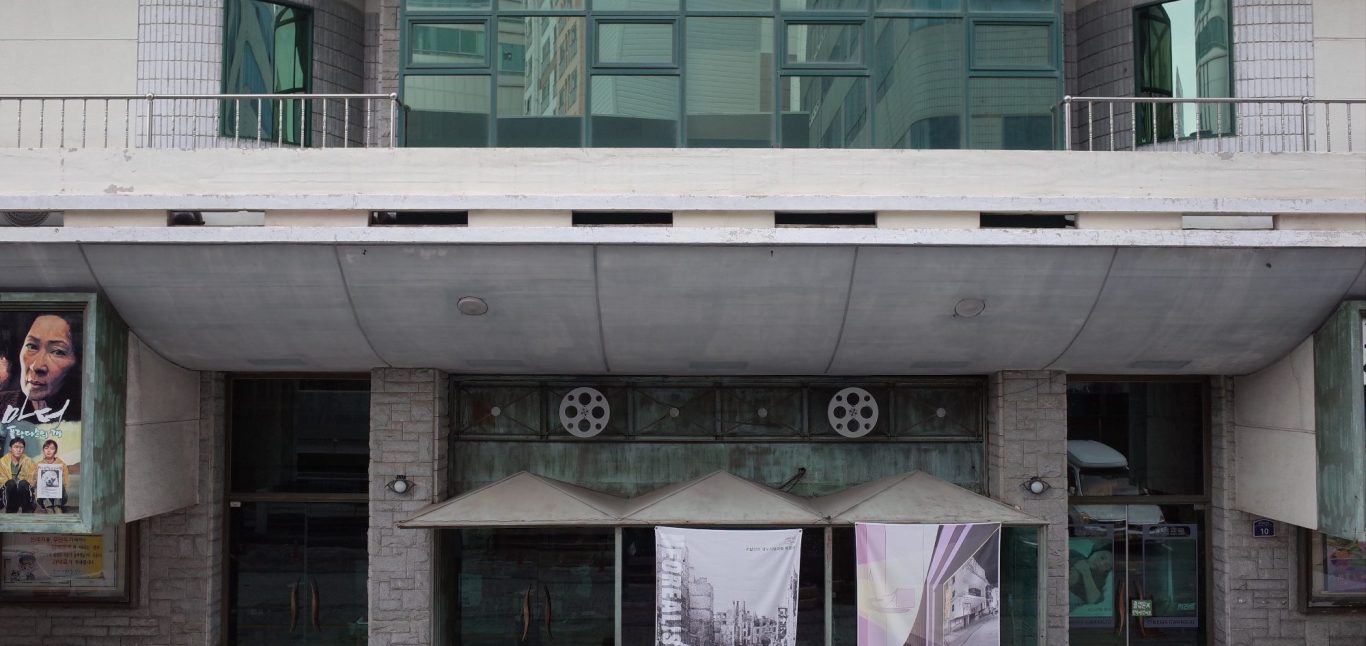
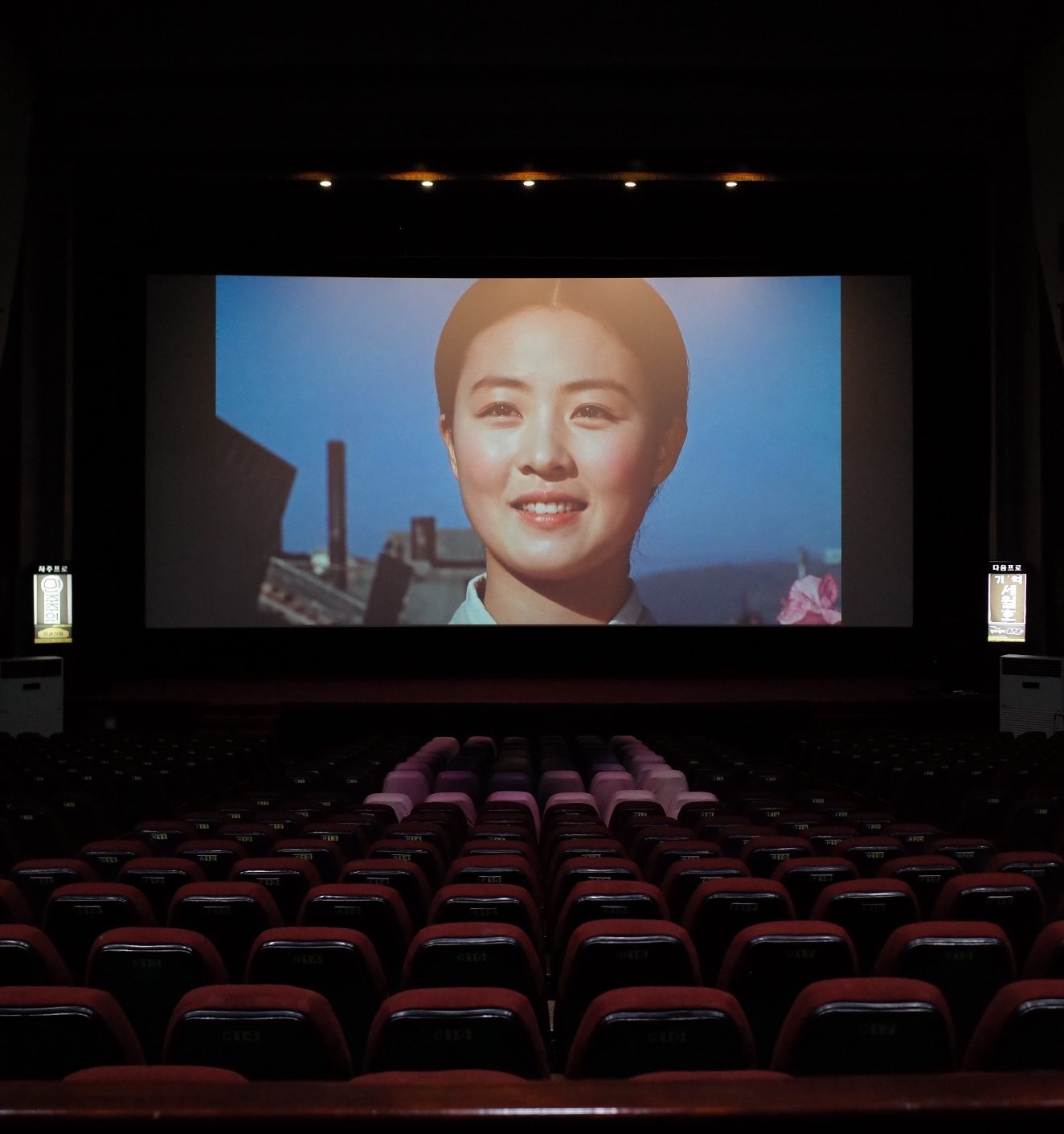
The IVAE Pavilion is a site-specific pavilion staged at the Gwangju Theatre — an over 90-year-old, still-operating cinema and a cultural landmark that embodies the history, collective memory, and resilience of the region.
A Site-specific Pavilion
at the Gwangju Theatre
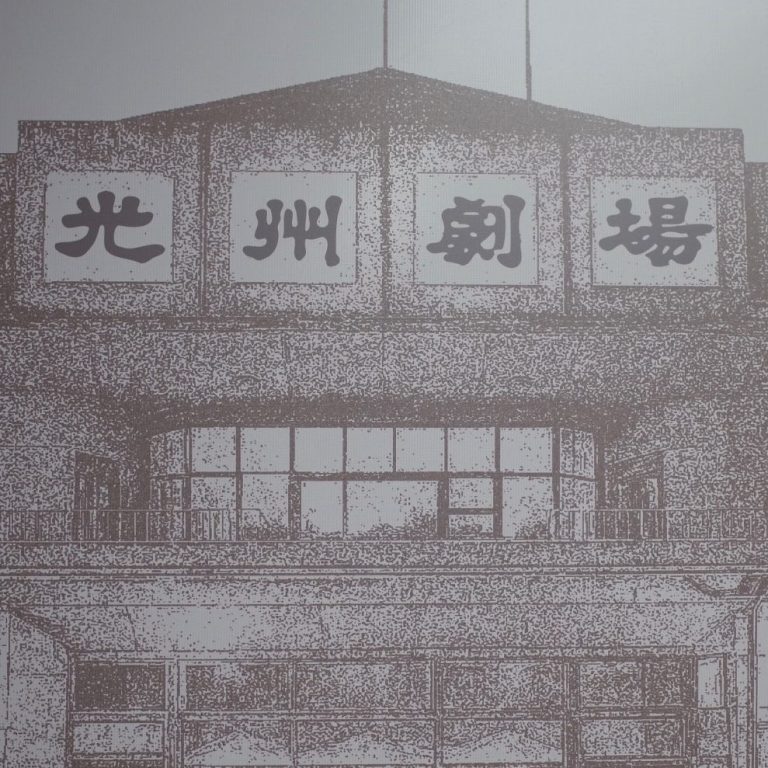
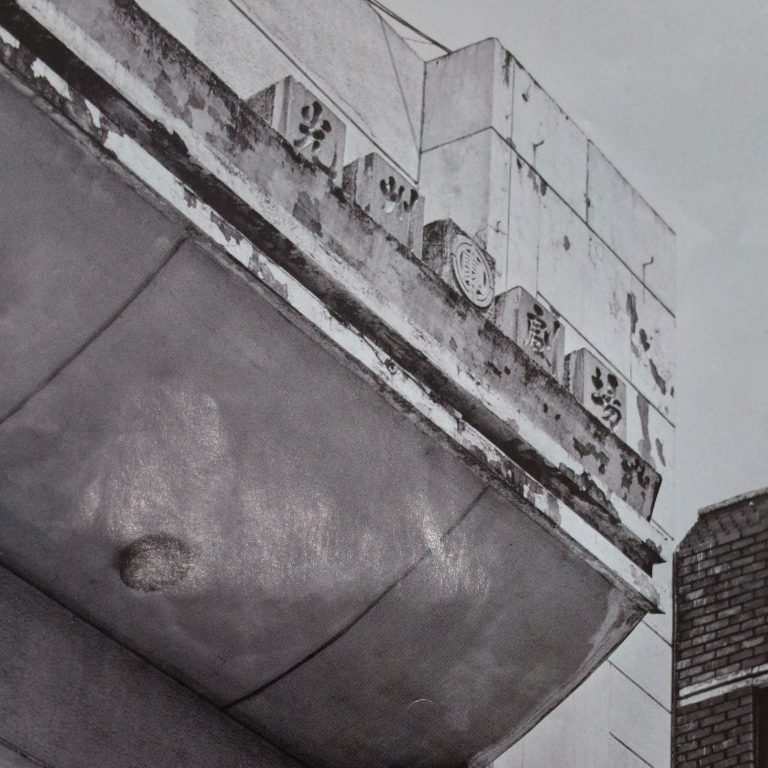
IVAE Pavilion is the only site-specific pavilion at the 16th Gwangju Biennale. For its debut in 2026, it will be staged at the Gwangju Theatre – a historic single-screen cinema, founded in 1935 and witnessed nearly a century of political upheaval and resilience.
Established during the Japanese colonial era, it emerged as a symbol of Korean national identity amid foreign domination. Today, this iconic landmark encapsulates Gwangju’s journey from colonial subjugation to democratic struggle, preserves the memory of the city, and functions as international hub that embraces a variety of contemporary culture in the form of film.
Encounter Art Through
the Everyday Life of Gwangju
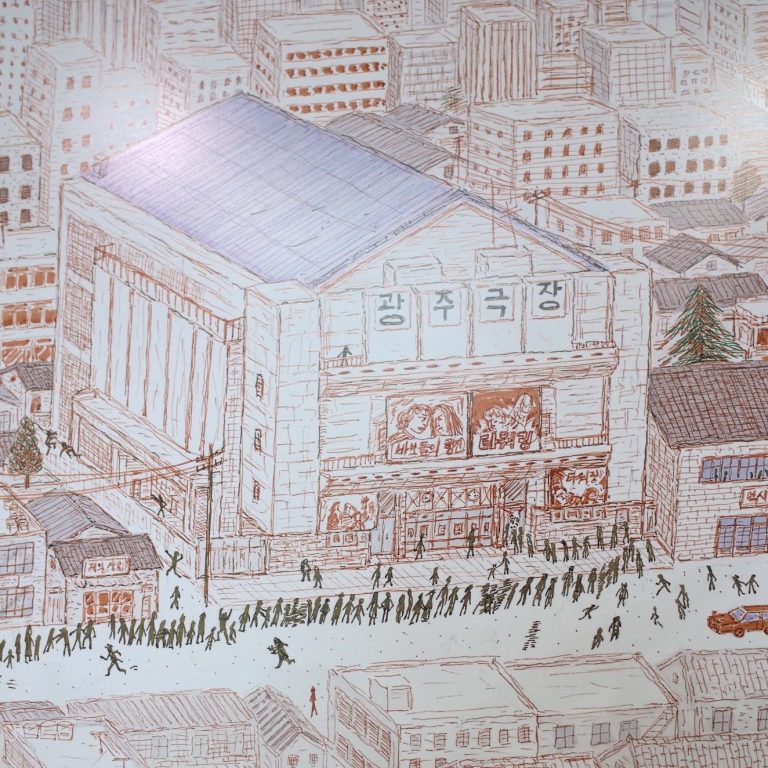
Curated by IVAE team, this Pavilion commissions five artists, including Aono Fumiaki (Japan), Ham Kyungah (Korea), Jang Pa (Korea), Anita Pan (China) and Zhang Peili (China), to develop new work site-specifically for the venue in response to its historical, cultural, political and societal significance. The interdisciplinary nature of the project provides a platform for artists and participants to work across the areas of art, film, literature, history, anthropology and sociology, to innovate through different experimentations and perceptions, and to reimagine and reinterpret the stories of Gwangju and Korea to a global audience.
IVAE Pavilion will be produced and presented while this over 90-year-old cinema continues to operate as usual based on its current running filming programmes. At IVAE Pavilion, audience will not just come to ‘view art’ as part of the Biennale, but to ‘encounter’ art through the everyday life of Gwangju – the past and the present.
Participating Artists
Aono Fumiaki (Japan)
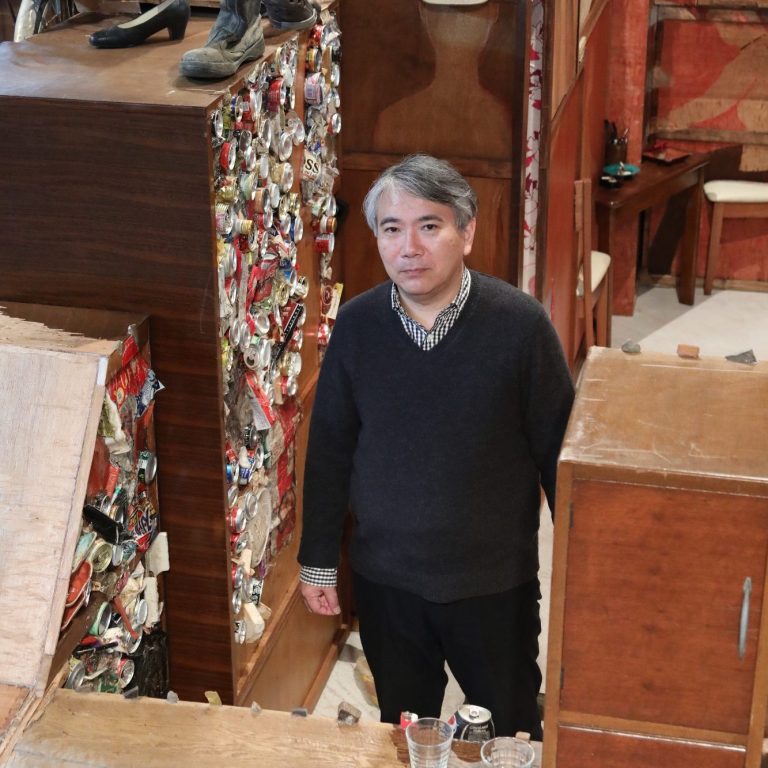
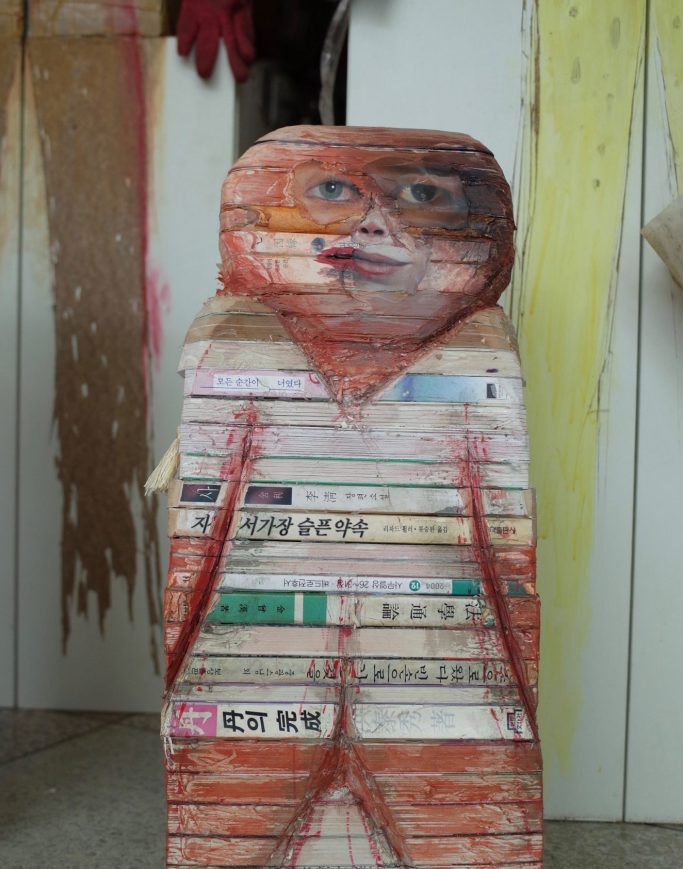
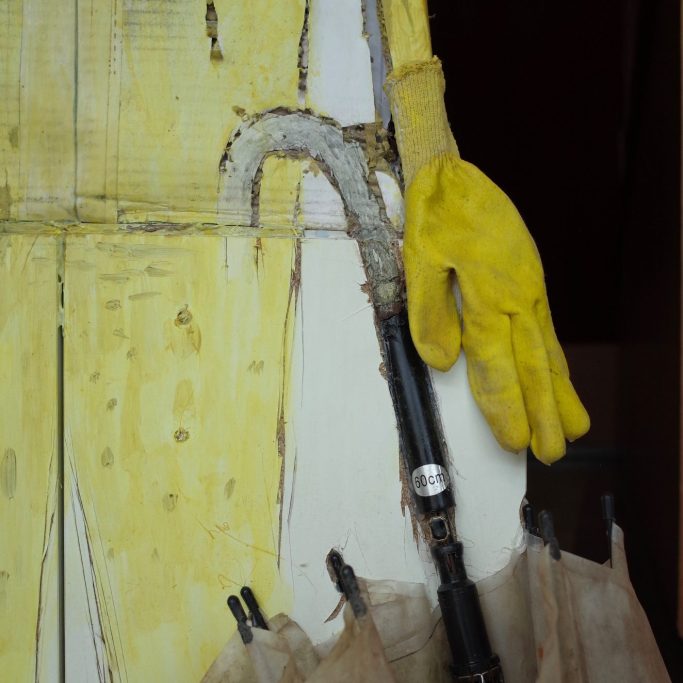
Aono Fumiaki (b. 1968) collected fragments of objects being annihilated and ruined in one instant, and connected them in unique way and recalls memories. Through this process, his work goes beyond transforming or restoring, but it aims to heal, and repair. Objects worn and lost in different places reveal a new kind of solidarity that share by gathering in one place through the artist's hand, reminding a community of past life, suffering and memories, as well as conveys the precarious reality to us through his work.
Aono has held solo exhibitions at Sendai Mediatheque (Miyagi, Japan) in 2019; Kichijoji Art Museum (Tokyo, Japan) in 2017; Okinawa Prefectural Museum & Art Museum (Okinawa, Japan) in 2015; and Arario Gallery Seoul (Seoul, Korea) in 2014. He has also participated in group exhibitions at Mori Art Museum (Tokyo, Japan) in 2019; Arario Gallery Shanghai (Shanghai, China) in 2017; Aomori Museum of Art (Aomori, Japan) in 2016; Aichi Triennale (Aichi, Japan) in 2013; TURNAROUND (Miyagi, Japan) in 2012; and Shimane Art Museum (Shimane, Japan) in 2011. The artist’s works are included in major collections including The Miyagi Museum of Art; Aichi Prefectural Museum of Art; 21st Century Museum of Contemporary Art, Kanazawa; Rias Ark Museum of Art; and Machida City Museum of Graphic Arts.
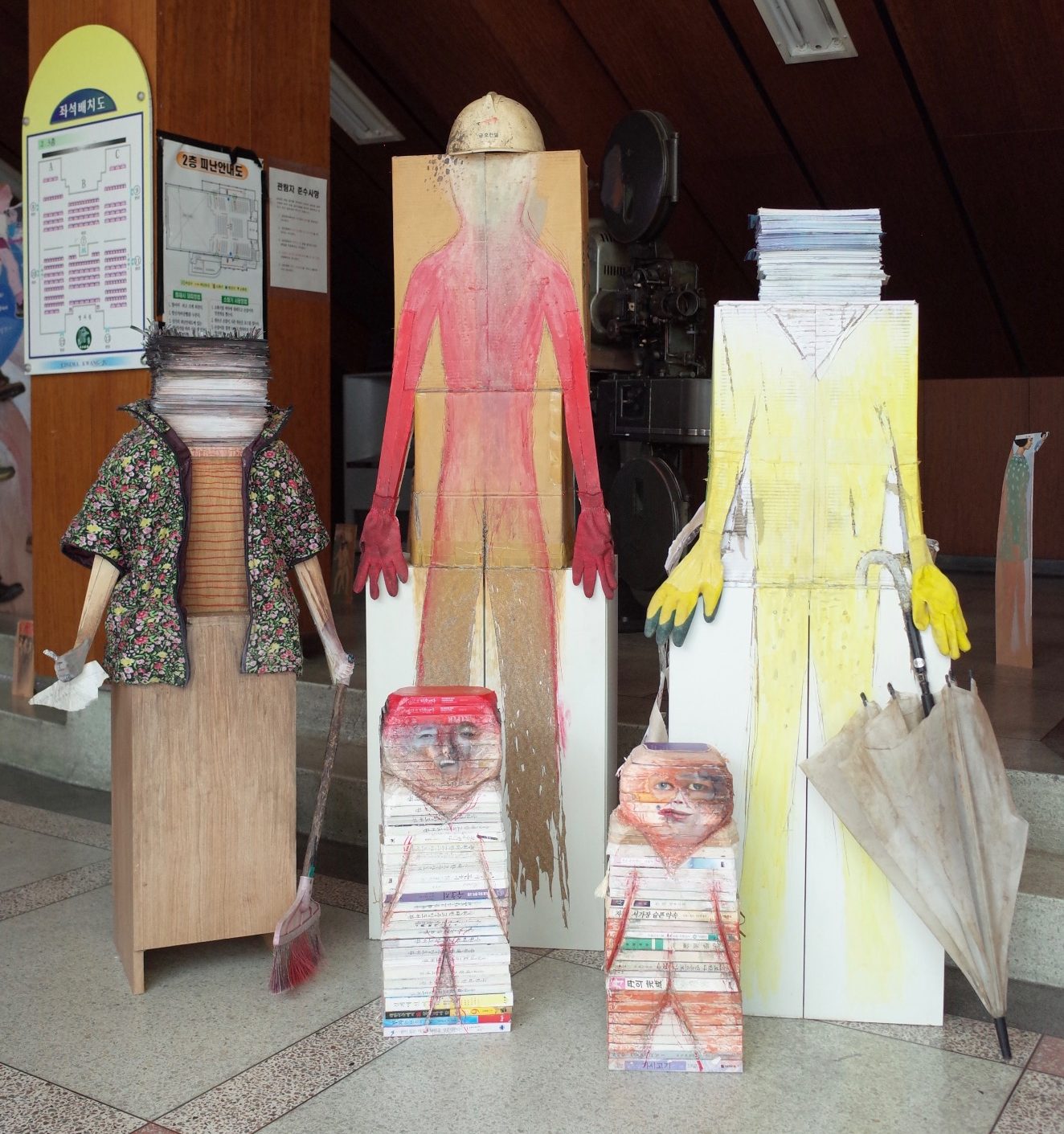
Aono Fumiaki
People of the Gwangju Theatre, 1935–2026, 2026.
Ham Kyungah (Korea)
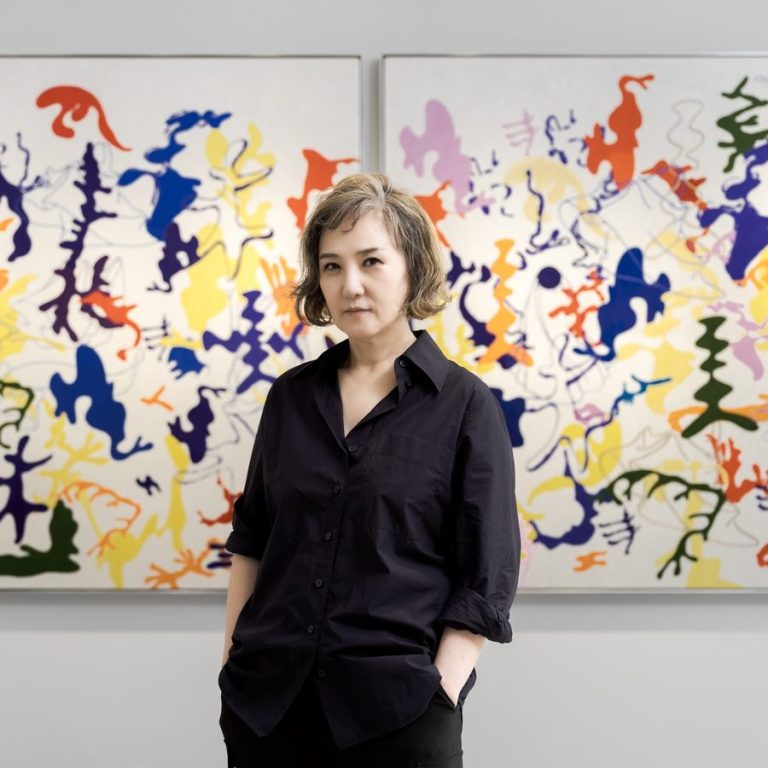
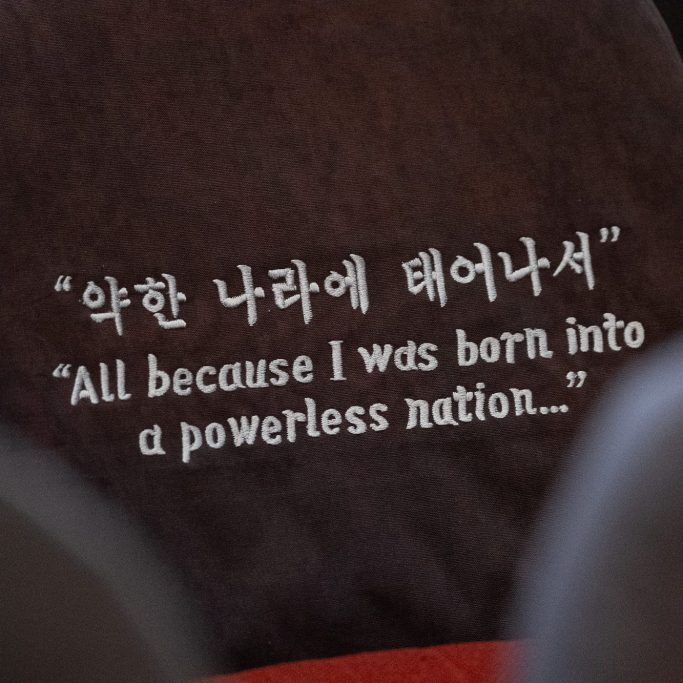
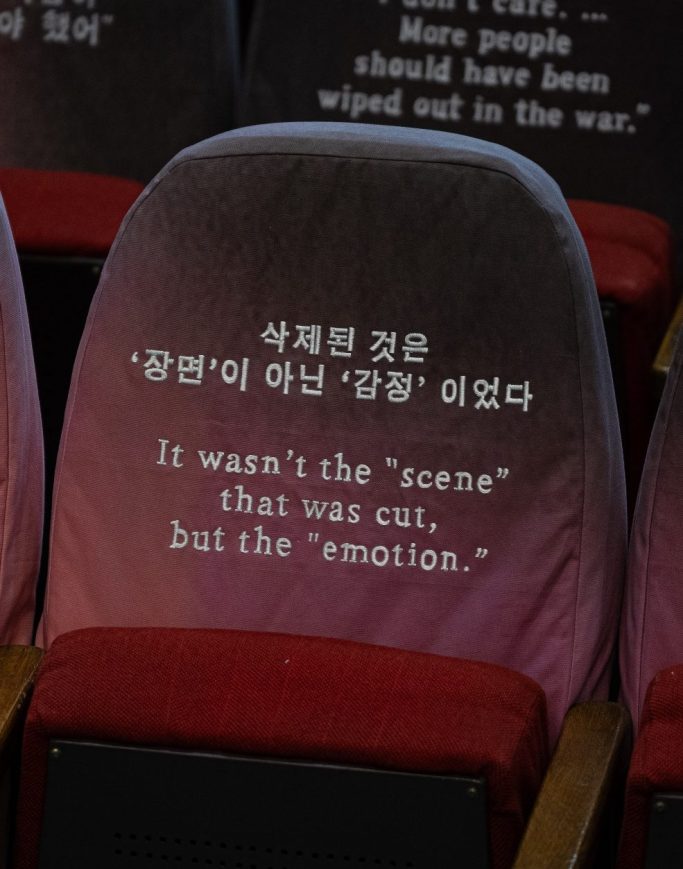
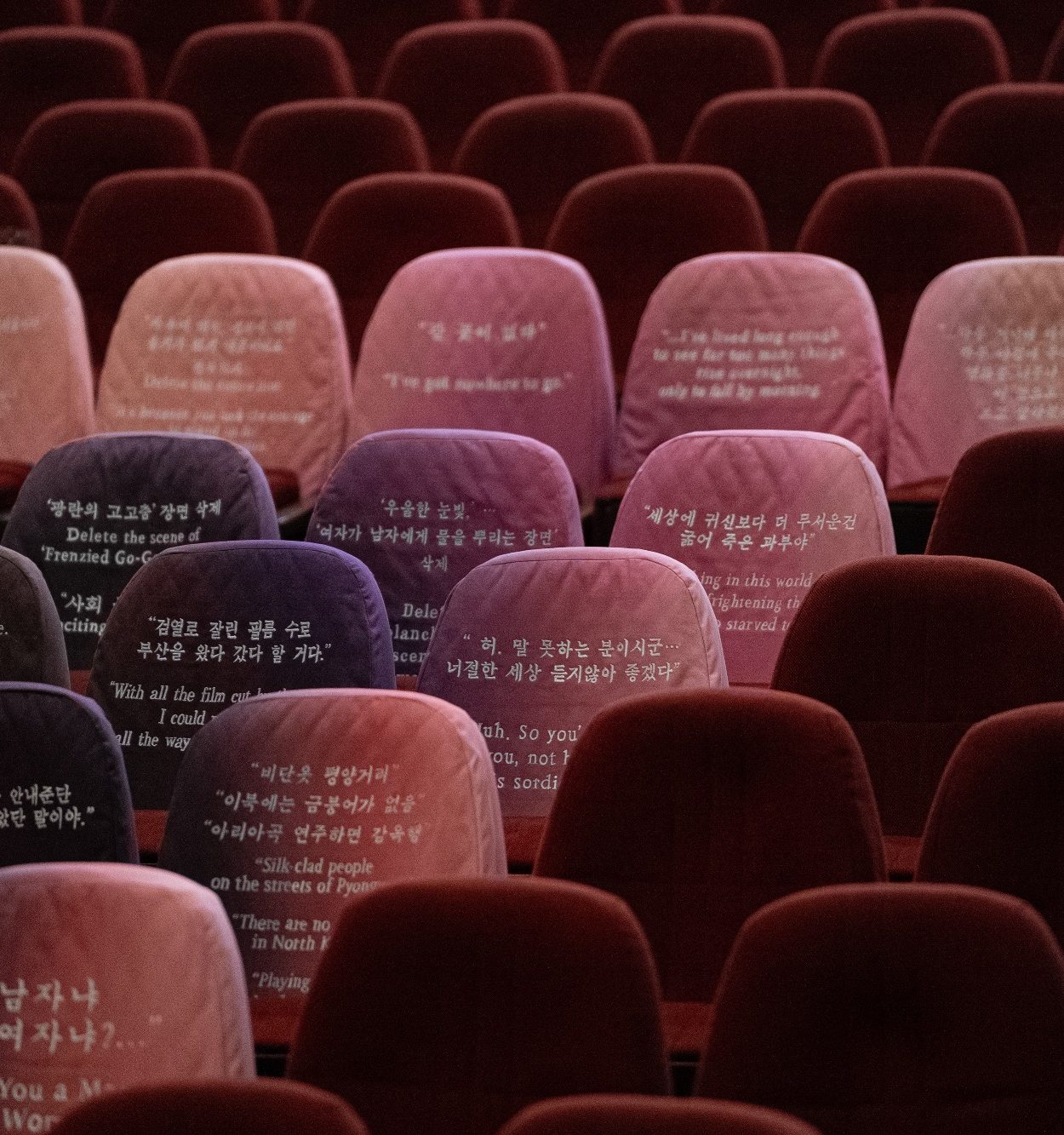
Ham Kyungah (b. 1966) explores the impact of social and political dynamics on individuals within the context of contemporary art. Her practice is grounded in the intriguing associations that arise when monumental historical events intersect. Through these points of intersection, she revisits truths that have long been ignored or tacitly overlooked within broader political and historical narratives. Working across a wide range of media, including painting, installation, video, and performance, Ham is particularly well known for her embroidery projects, characterised by a vivacious splash of colour, meticulously crafted surfaces, and visually striking complexity, these embroidered paintings highlight the dynamics between conspicuous and inconspicuous elements that come into play in forming a single image. Ham has presented major solo exhibitions since the late 1990s and participated in numerous international exhibitions and biennials, including The Shape of Time: Korean Art after 1989, Philadelphia Museum of Art (2023–24), Hallyu! The Korean Wave, V&A Museum (2023–25), the Asia Society Triennial (2020), and the Taipei Biennale (2016), among others.
Ham Kyungah
‘Delete the scene of frenzied dancing’, 2026.
Jang Pa (Korea)
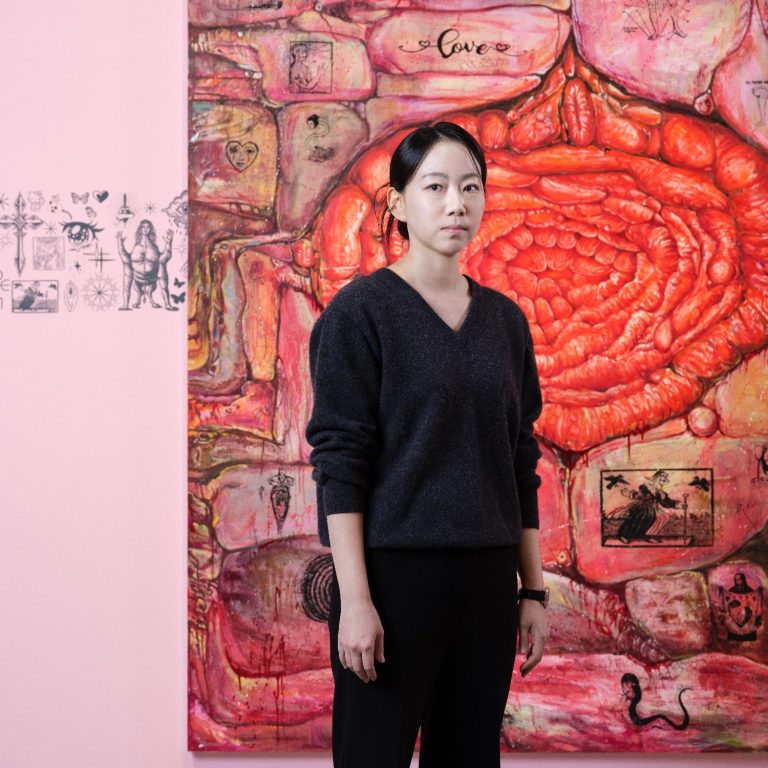
Jang Pa (b. 1981) critically examines fixed notions of “painting” and “beauty” through her paintings, while visually exploring the feminine grotesque and sensibilities that have been historically marginalised. Her work questions male-dominated visual languages and expands feminist subjectivity through painterly strategies, reconfiguring the female body and its sensations as autonomous forms rather than passive objects. Her practice explores the possibilities of painting through marginalised bodily experiences and decorative sensibilities while critically reconsidering its structural limits. She has held solo exhibitions at Kukje Gallery, Seoul (2025); Incheon Art Platform (2020); DOOSAN Gallery, New York (2017 ); the Seoul Olympic Museum of Art (SOMA) (2016); and OCI Museum of Art, Seoul (2011) . Her work has been included in group exhibitions at major institutions including the National Museum of Modern and Contemporary Art (MMCA), Seoul (2024); Buk-Seoul Museum of Art (2024); SONGEUN, Seoul (2023); ARKO Art Center, Seoul (2023); and Seoul Museum of Art (SeMA) (2015 ). Her work is held in the collections of the MMCA Art Bank, Seoul Museum of Art, and Seoul National University Museum of Art.
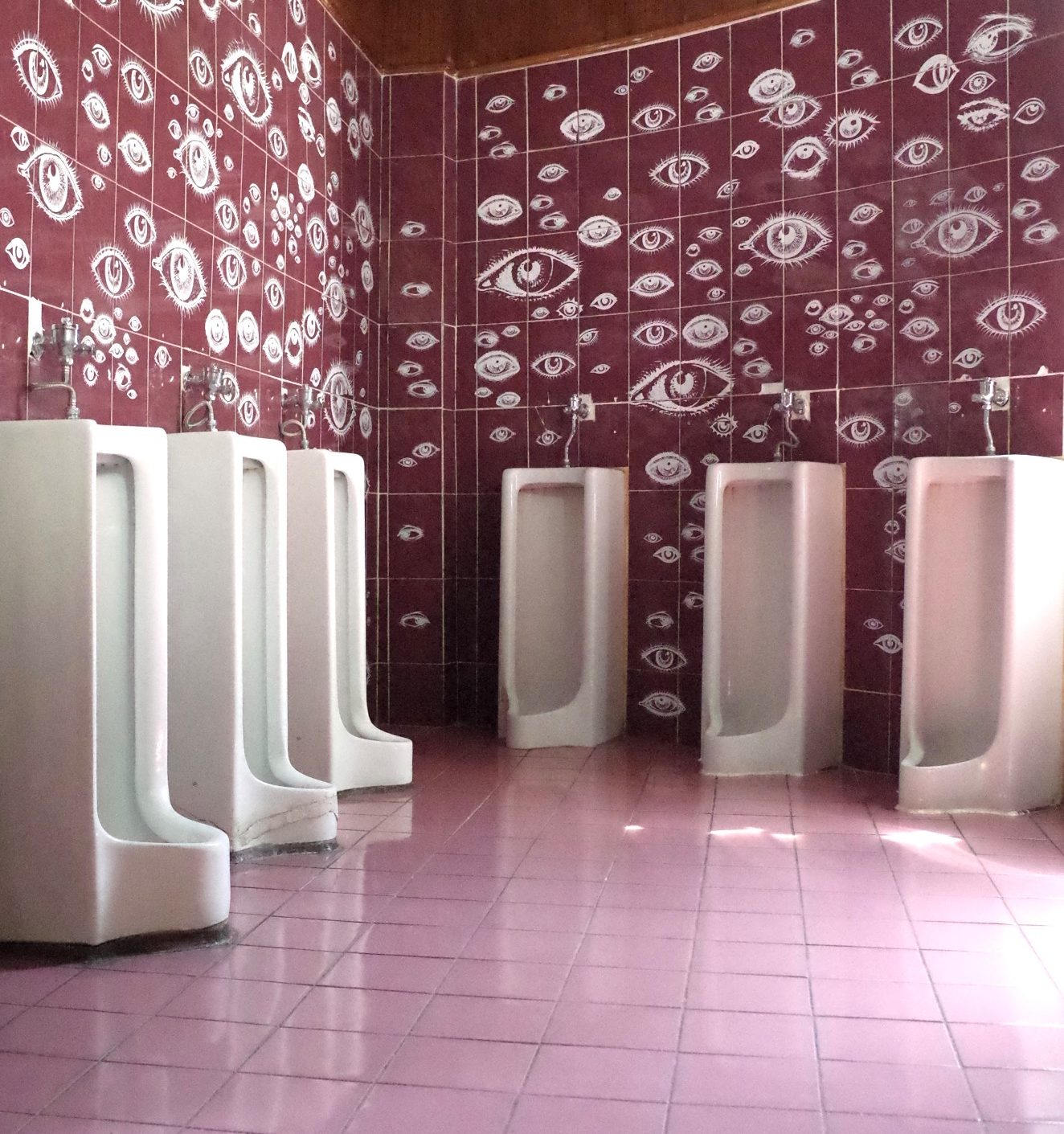
Jang Pa (Korea)
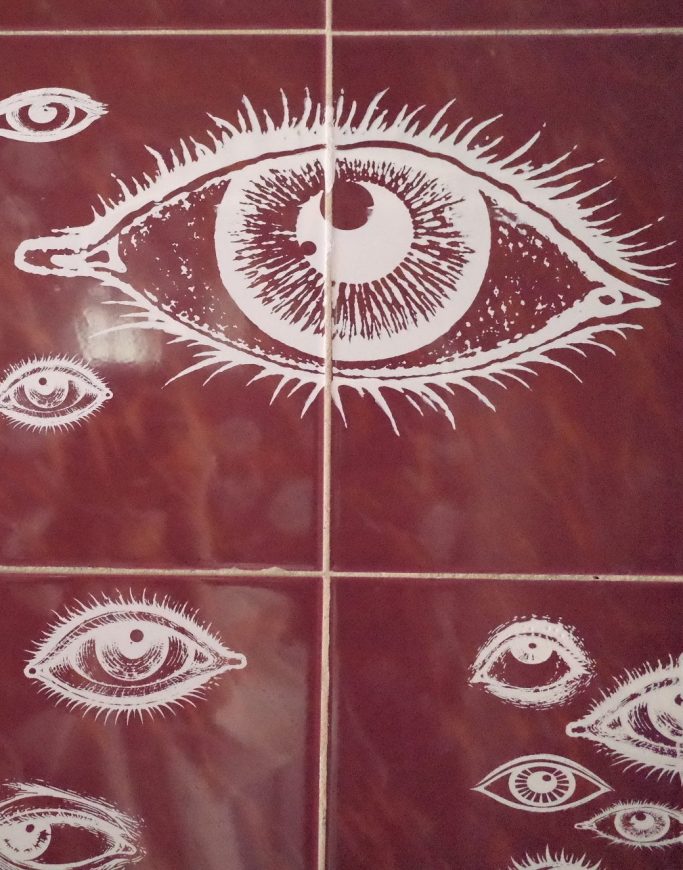
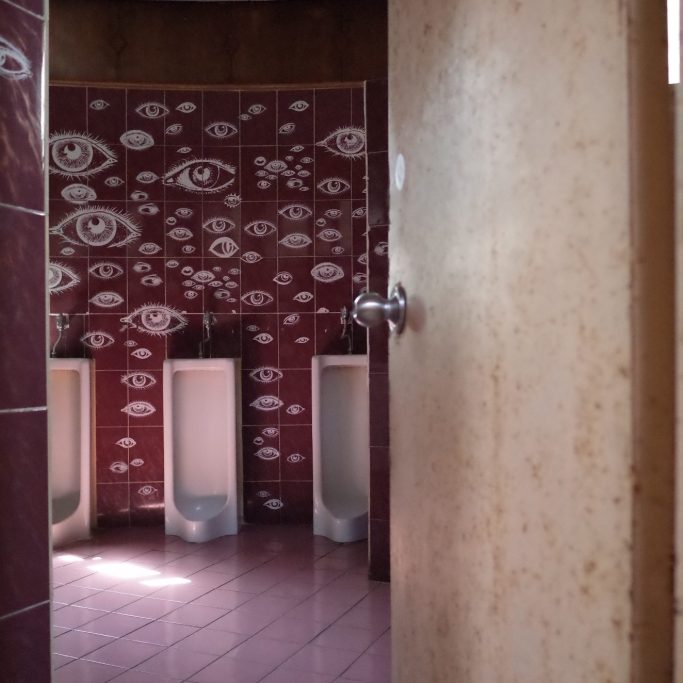
This Room Has Eyes, 2026.
Anita Pan (China)
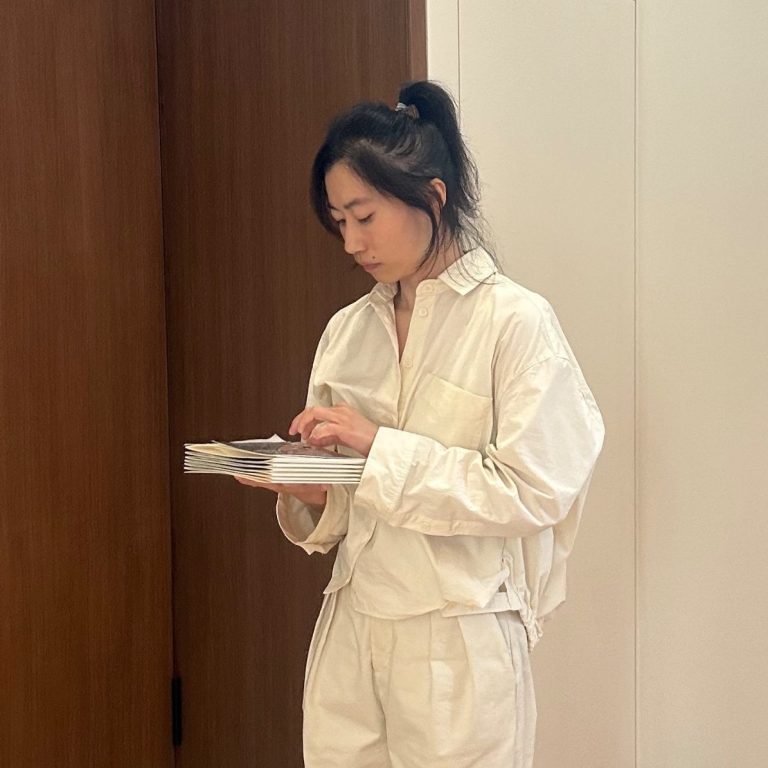
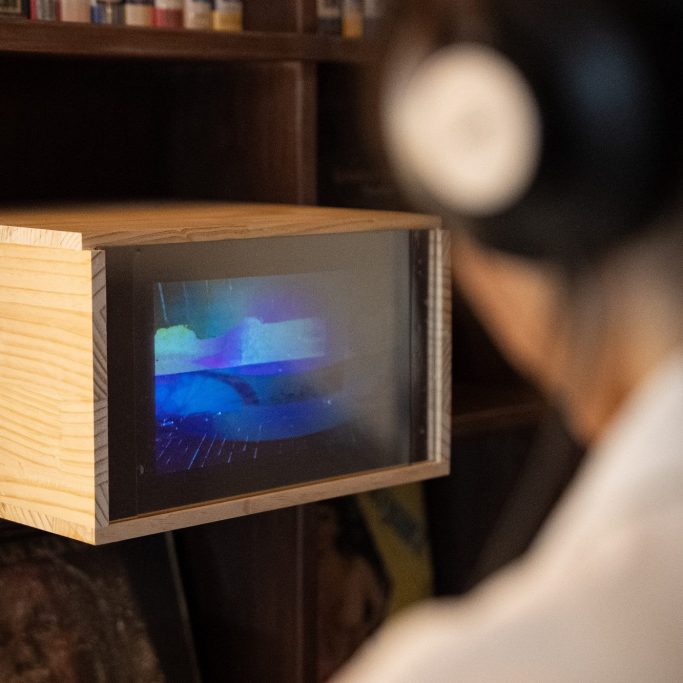
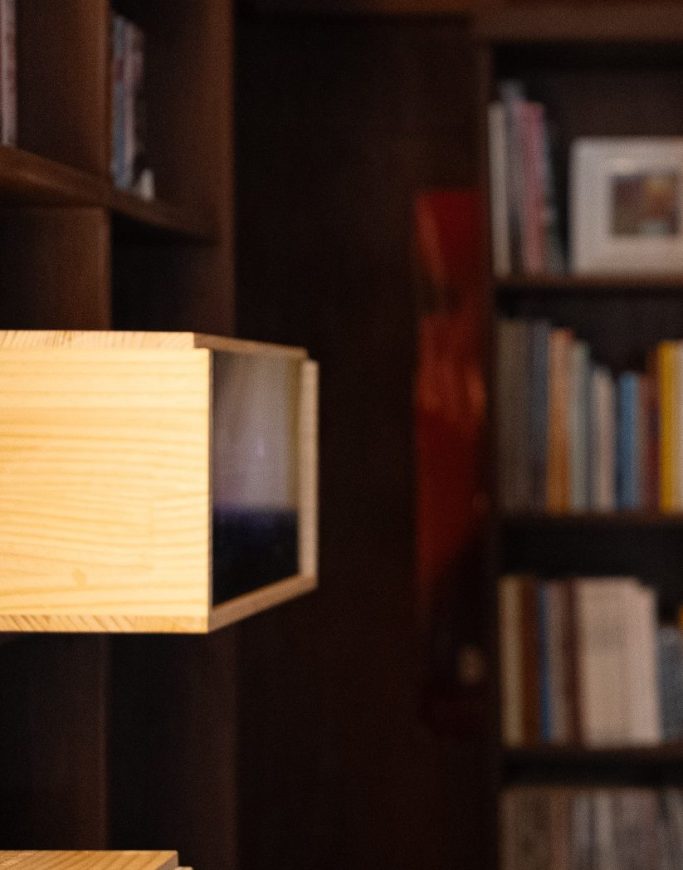
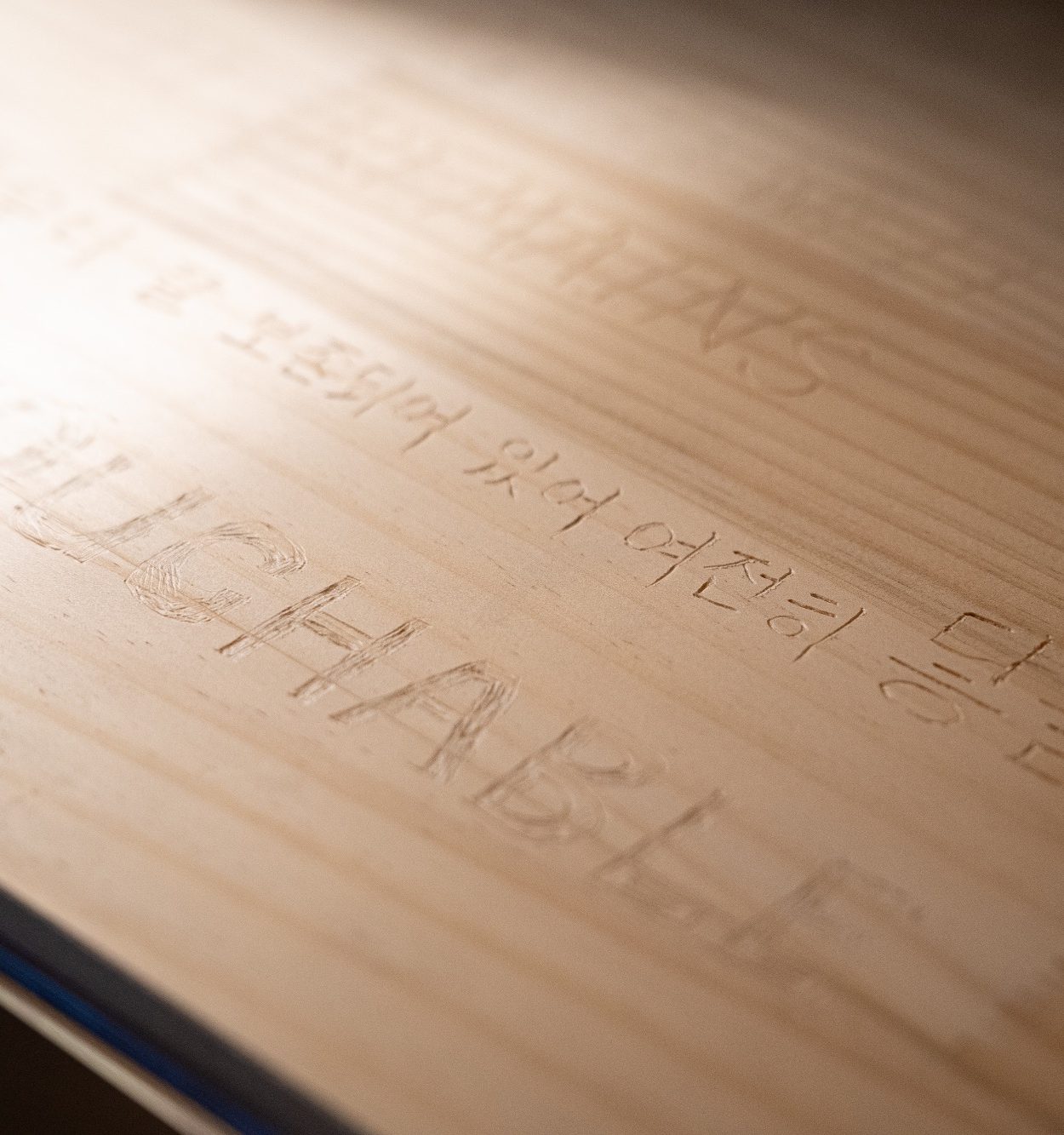
Anita Pan (b. 1986) devotes to examining the precarity and fluidity of being, of time-space and reality, the mirroring of inscapes and outscapes, and how to transfigure, construct, and expand mysteries by diving into the recursive, glitchy, folded, fissured, osmotic, ambiguous, contradictory and liminal. Particularly drawn in her sonic practice to exploring the materiality of sound, the combination of listening and tactile experience, and the expressive potentials of sound as action. Anita Pan’s practice spans mediums from sound and words to installation and performance, often attending to the shifts in and the juxtaposition of perspectives, scales and tempos. Many years of choir singing and literary trainings invest Anita Pan’s work with a tone of polyphonic “composition”.
Anita Pan
Worncumulus: A Weathered Song, 2026.
Zhang Peili (China)
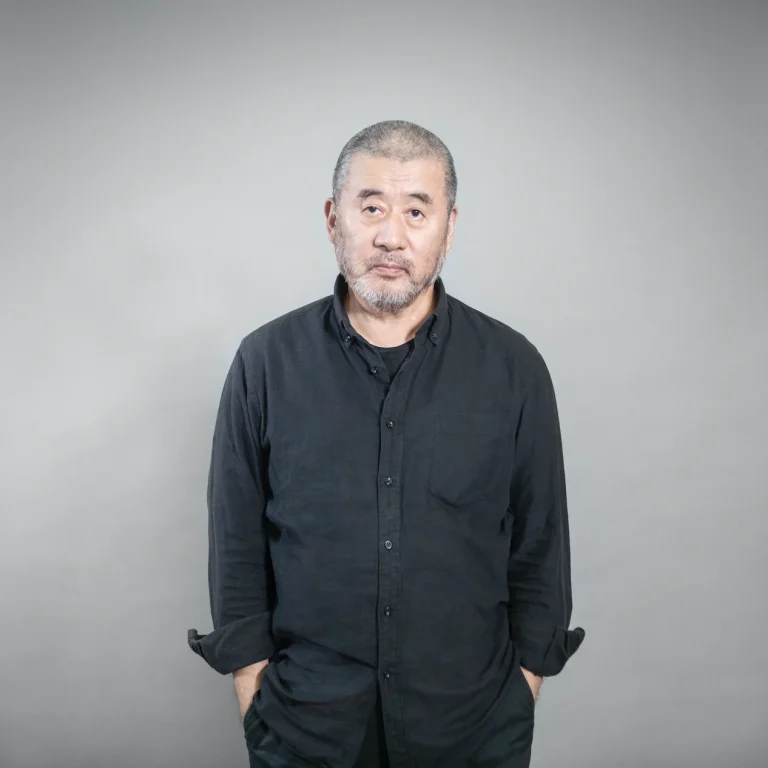
Zhang Peili (b. 1957) is a pivotal artist in Chinese contemporary art and a critical figure in video art worldwide. A pioneer of new media, Zhang experimented with video and video installation in the late 1980s and 1990s and has explored digital formats and immersive multimedia installations since the early 2000s. An early proponent of conceptual art in China, he has grounded his work in a critique of the ideology and methodology that perpetuate systems of social representation, especially language and meaning. His work 30 x 30 (1988), widely recognised as the first Chinese work of video art. Zhang has participated in the Venice Biennale (1993); Lyon Biennial, France (1997); Gwangju Biennial, South Korea (2002); Guangzhou Triennial (2003); and Shanghai Biennial (2000 and 2012). Zhang has had solo exhibitions at the Museum of Modern Art, New York (1998–99); OCT Contemporary Art Terminal, Shenzhen, Guangdong Province, China (2008); Minsheng Art Museum, Shanghai (2011); and the Art Institute of Chicago (2017).
Zhang Peili
Classic Sequences, 2026.