
Jang Pa
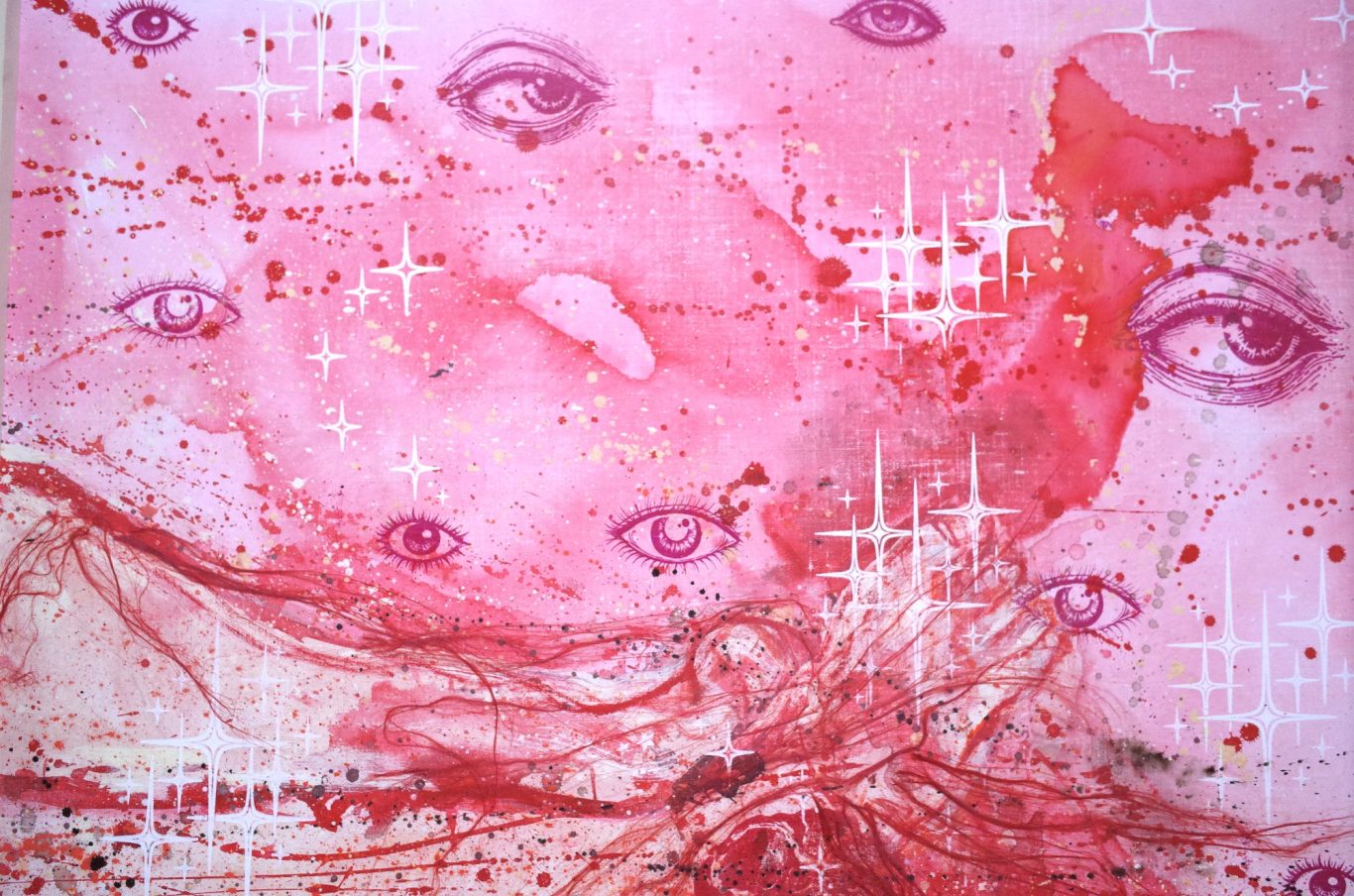
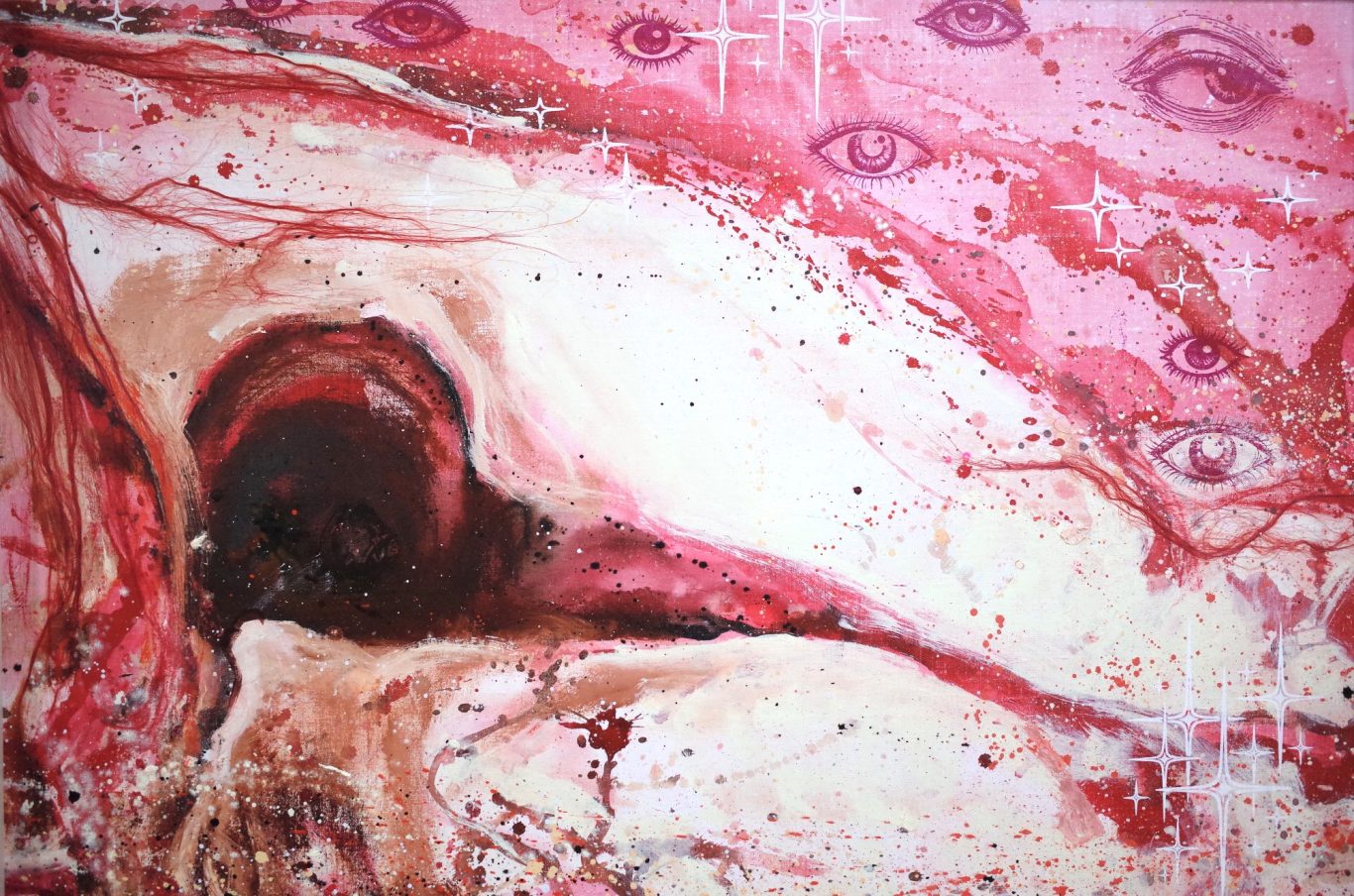
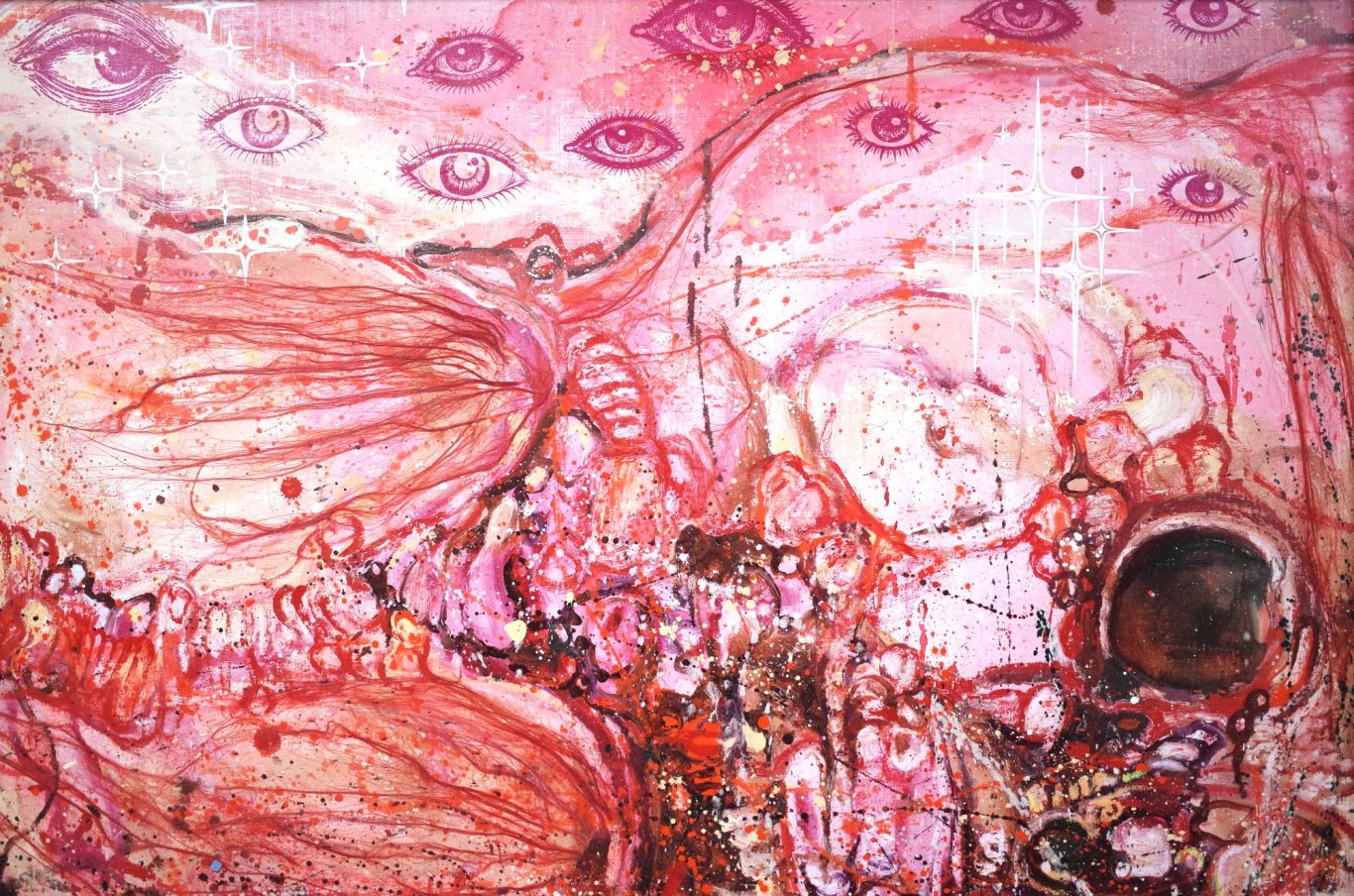
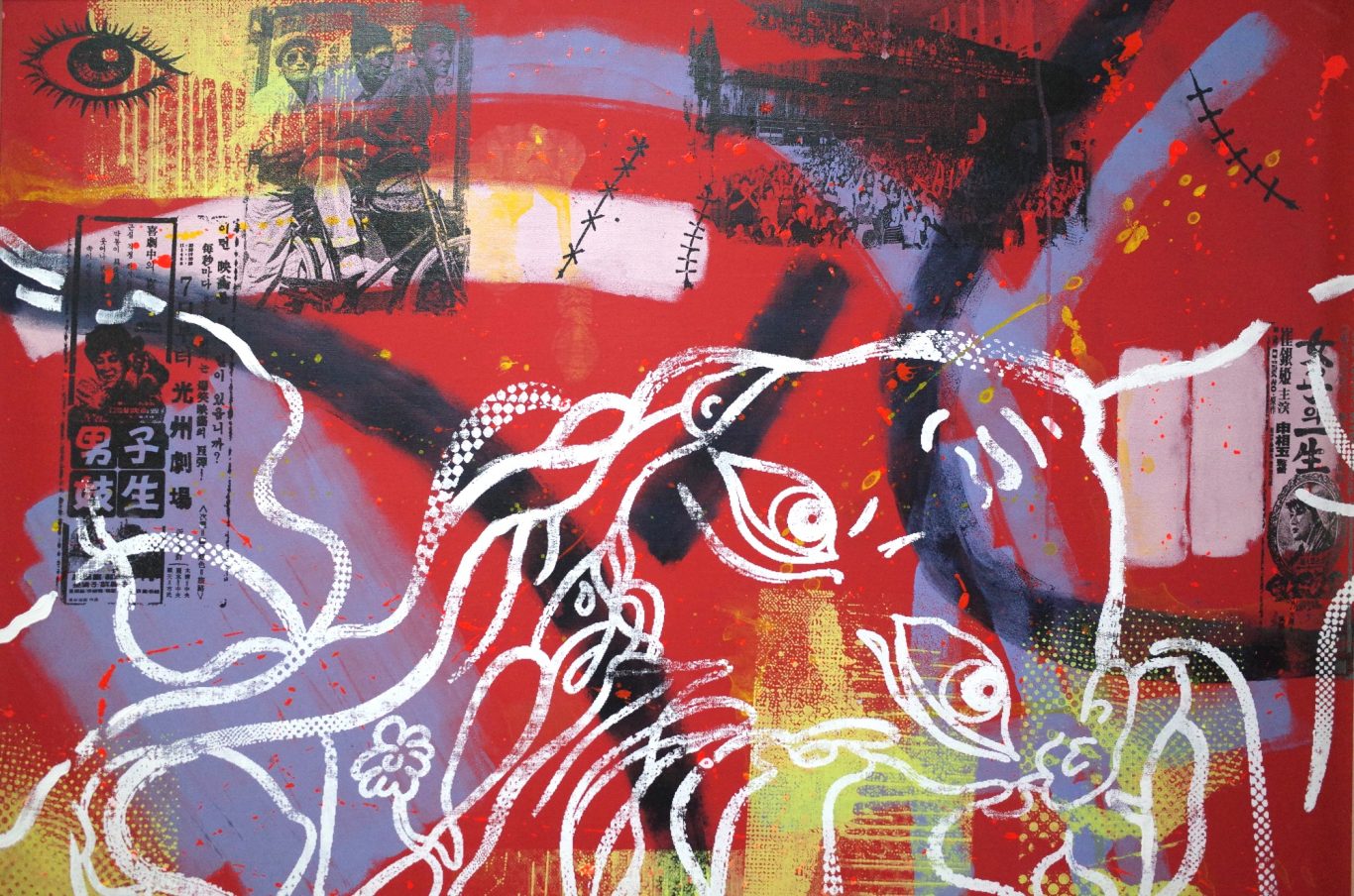
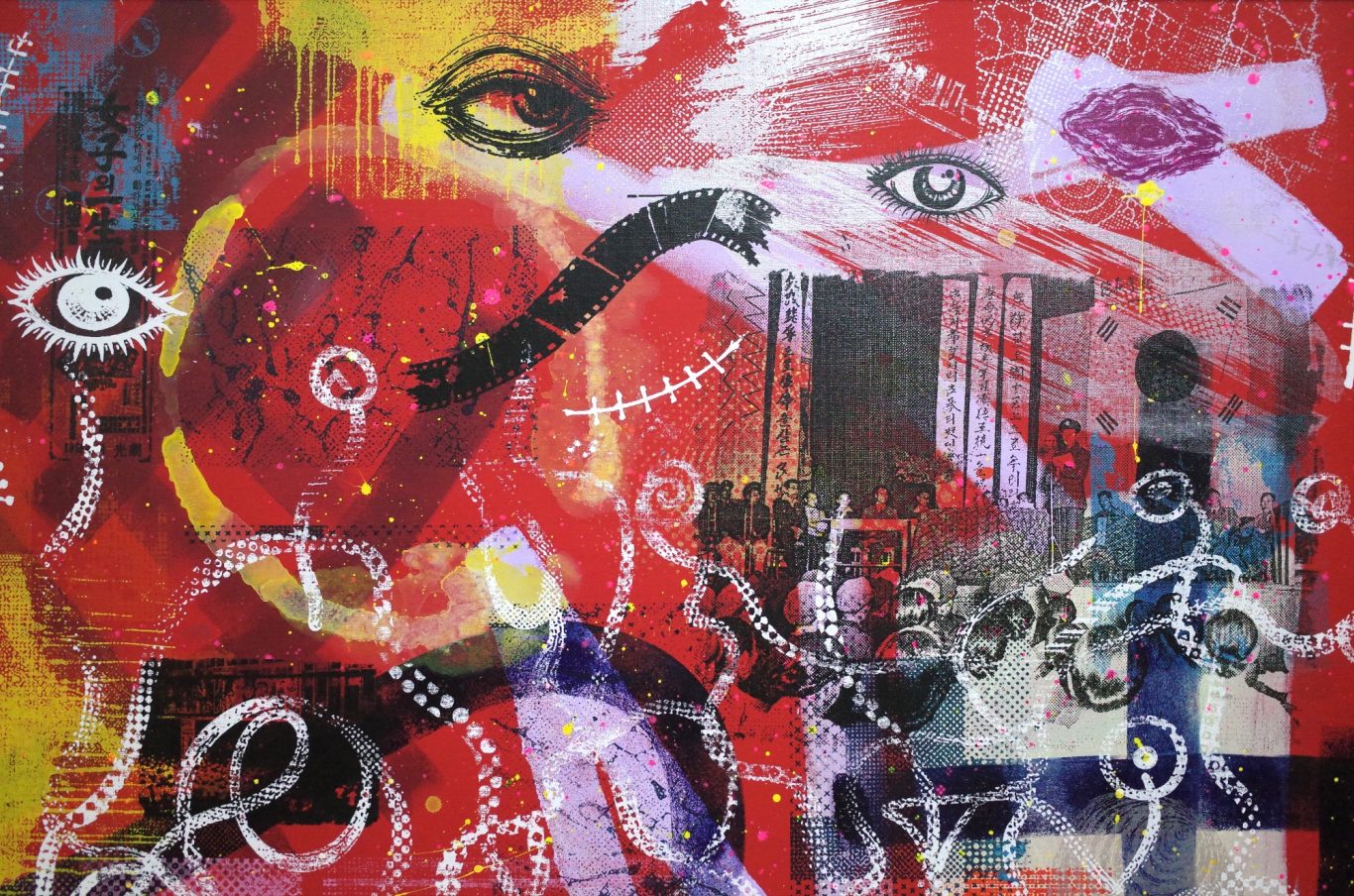
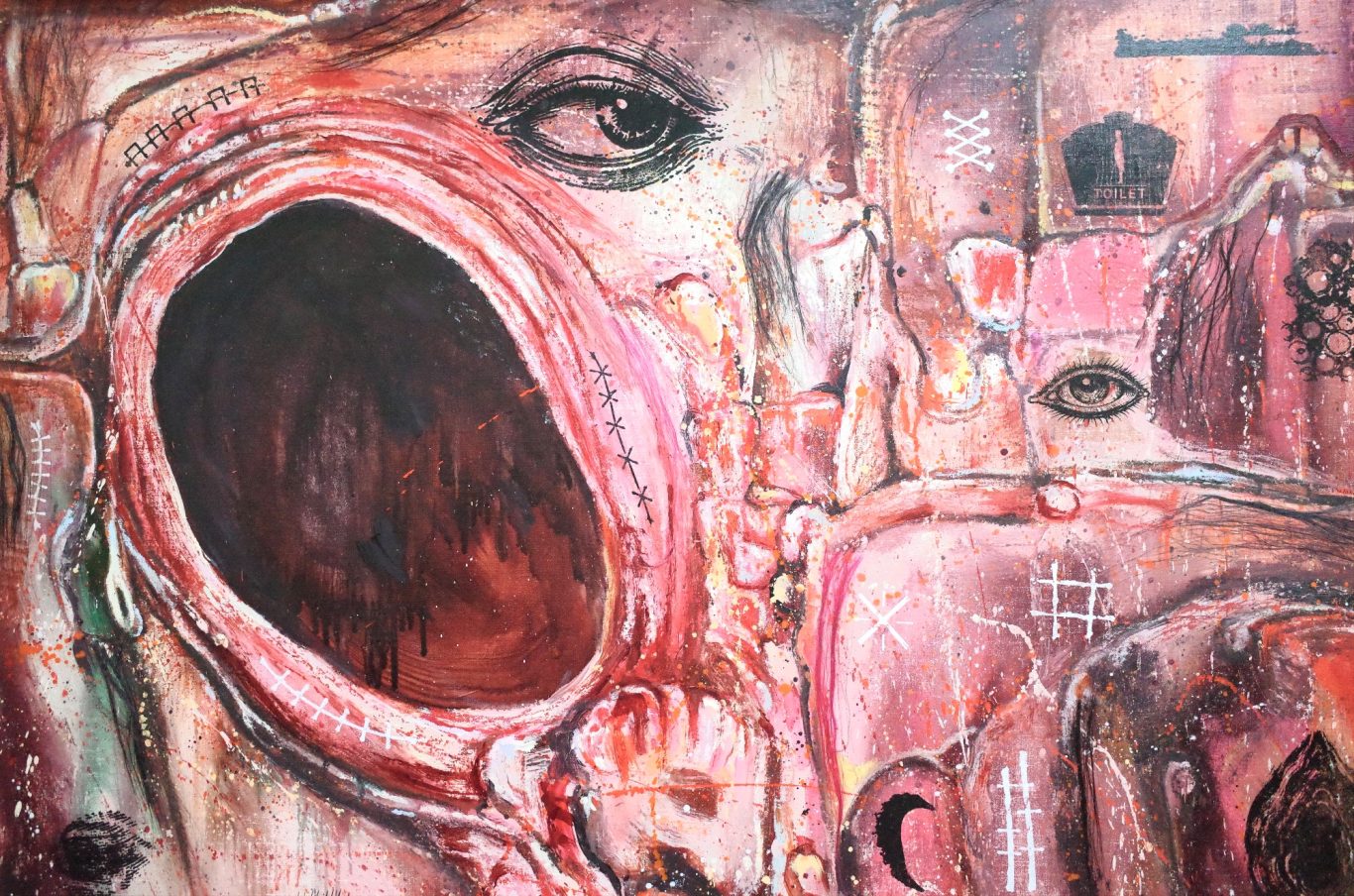
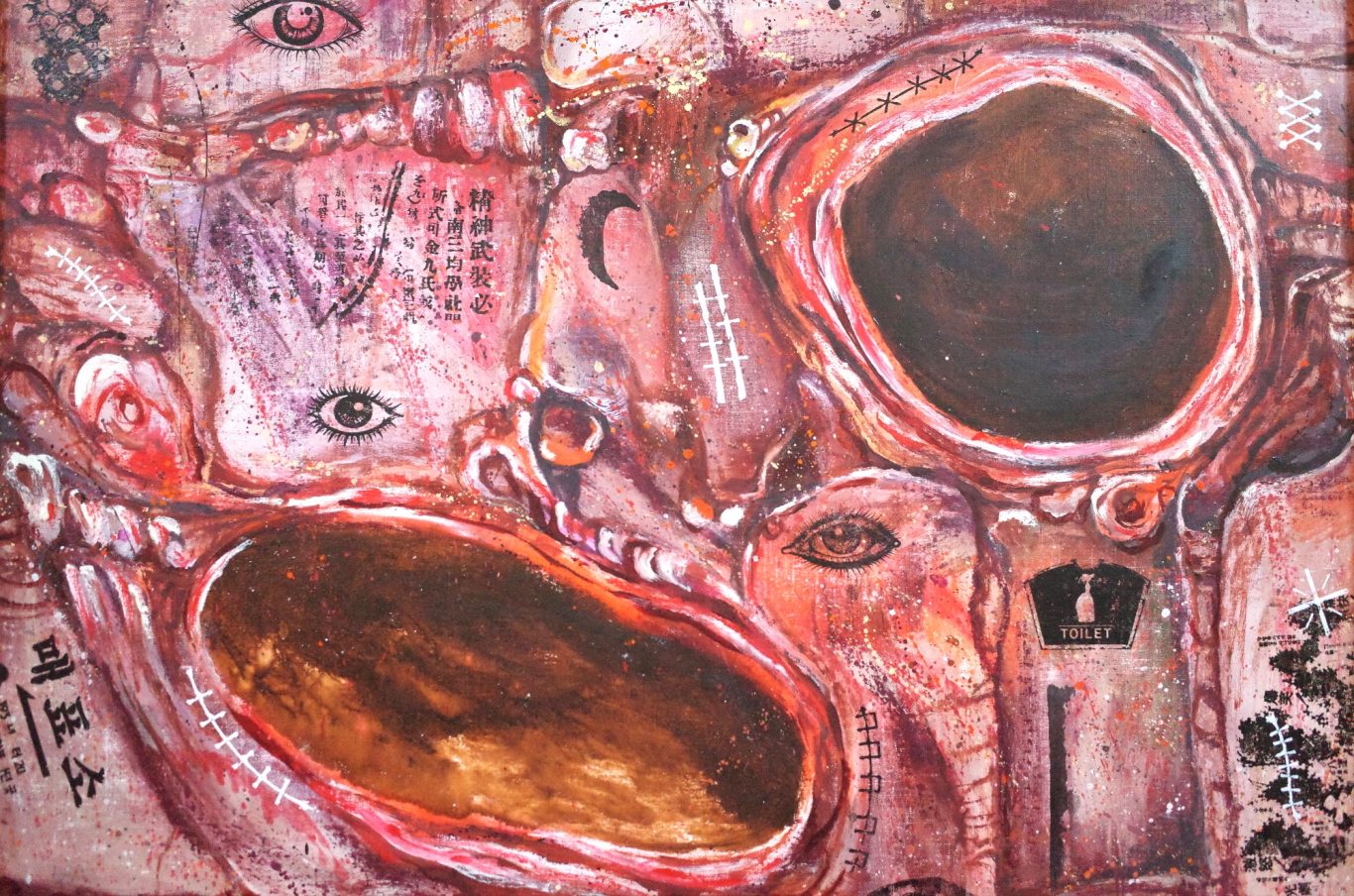
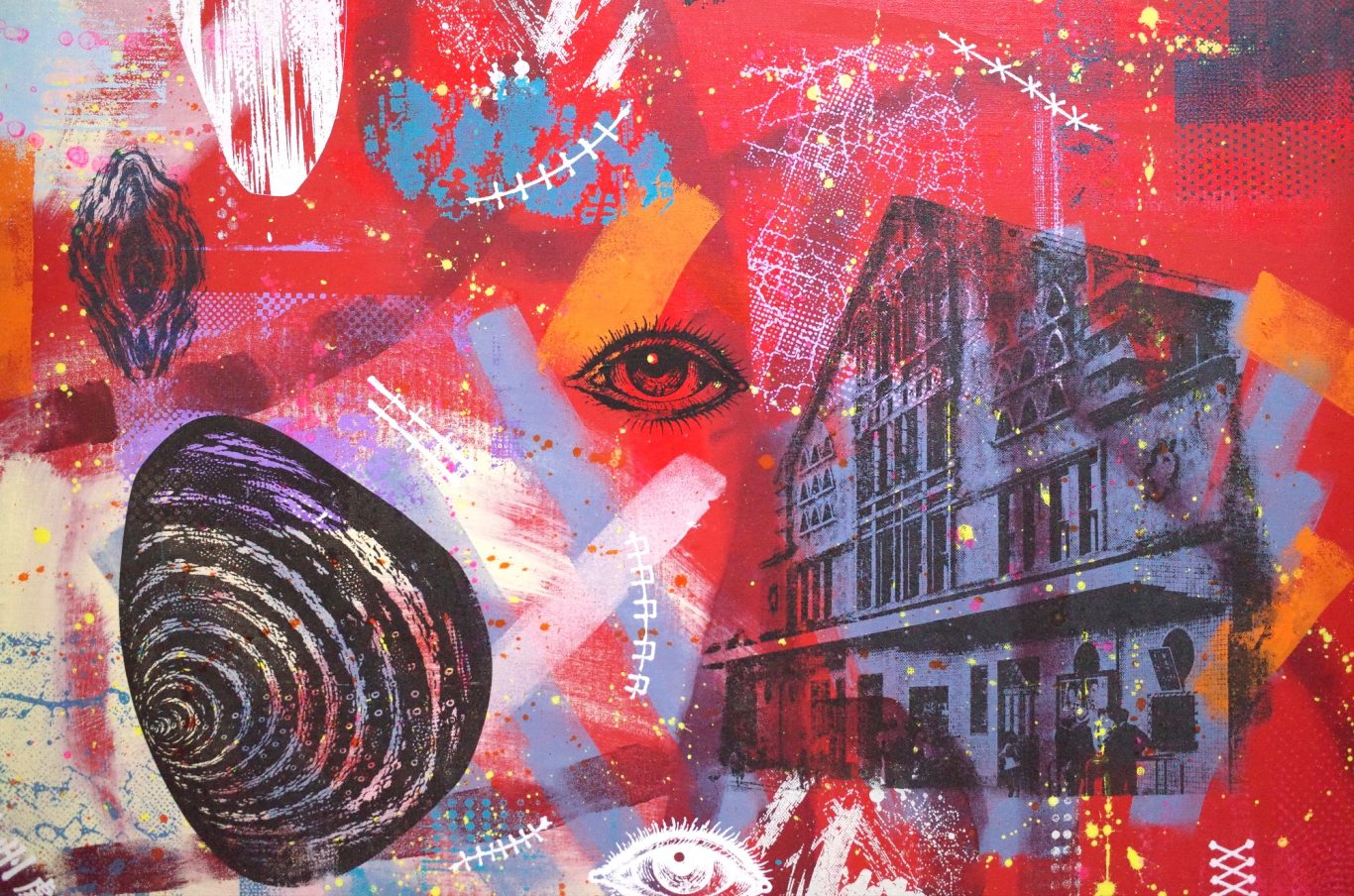
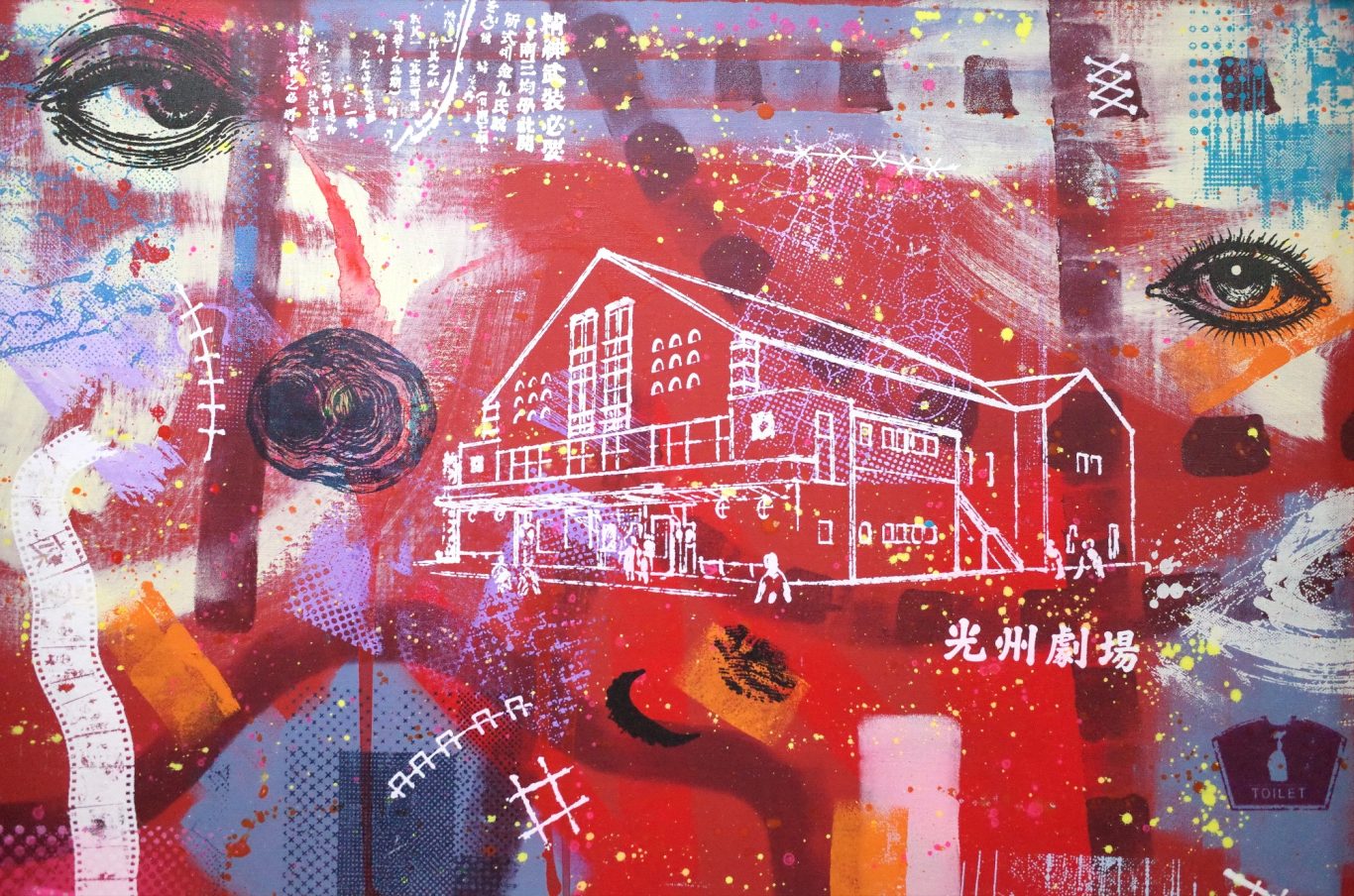


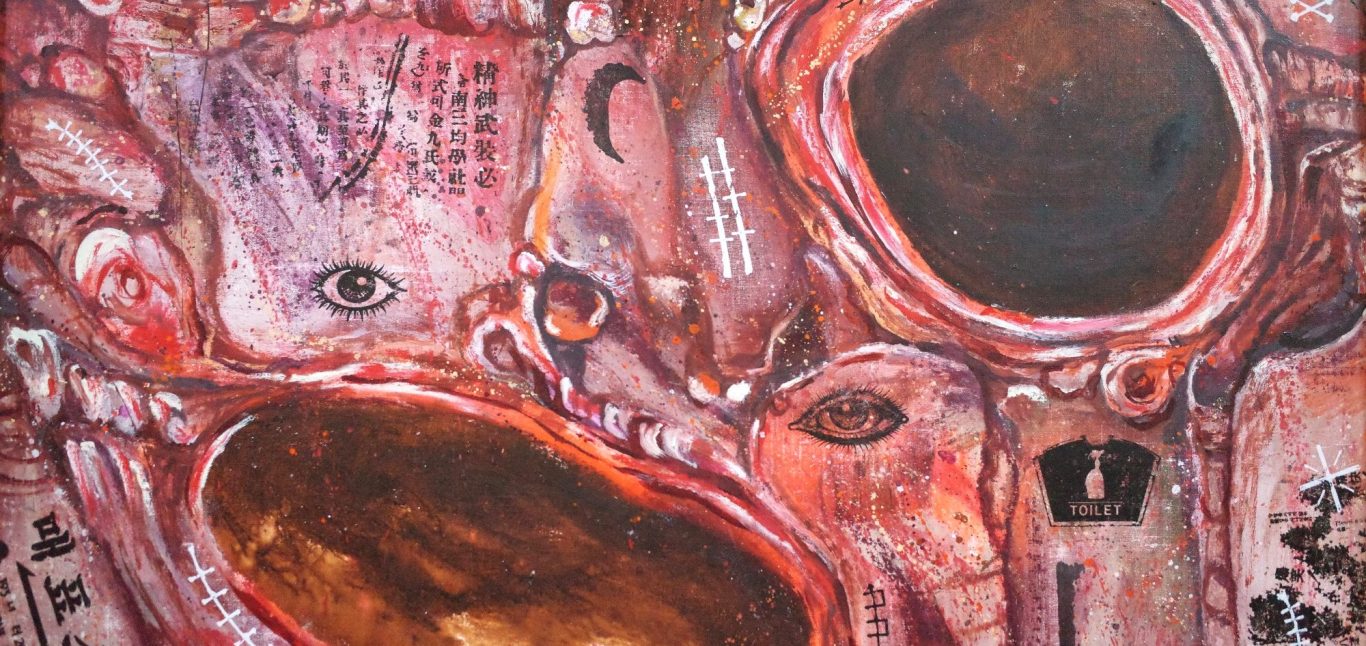
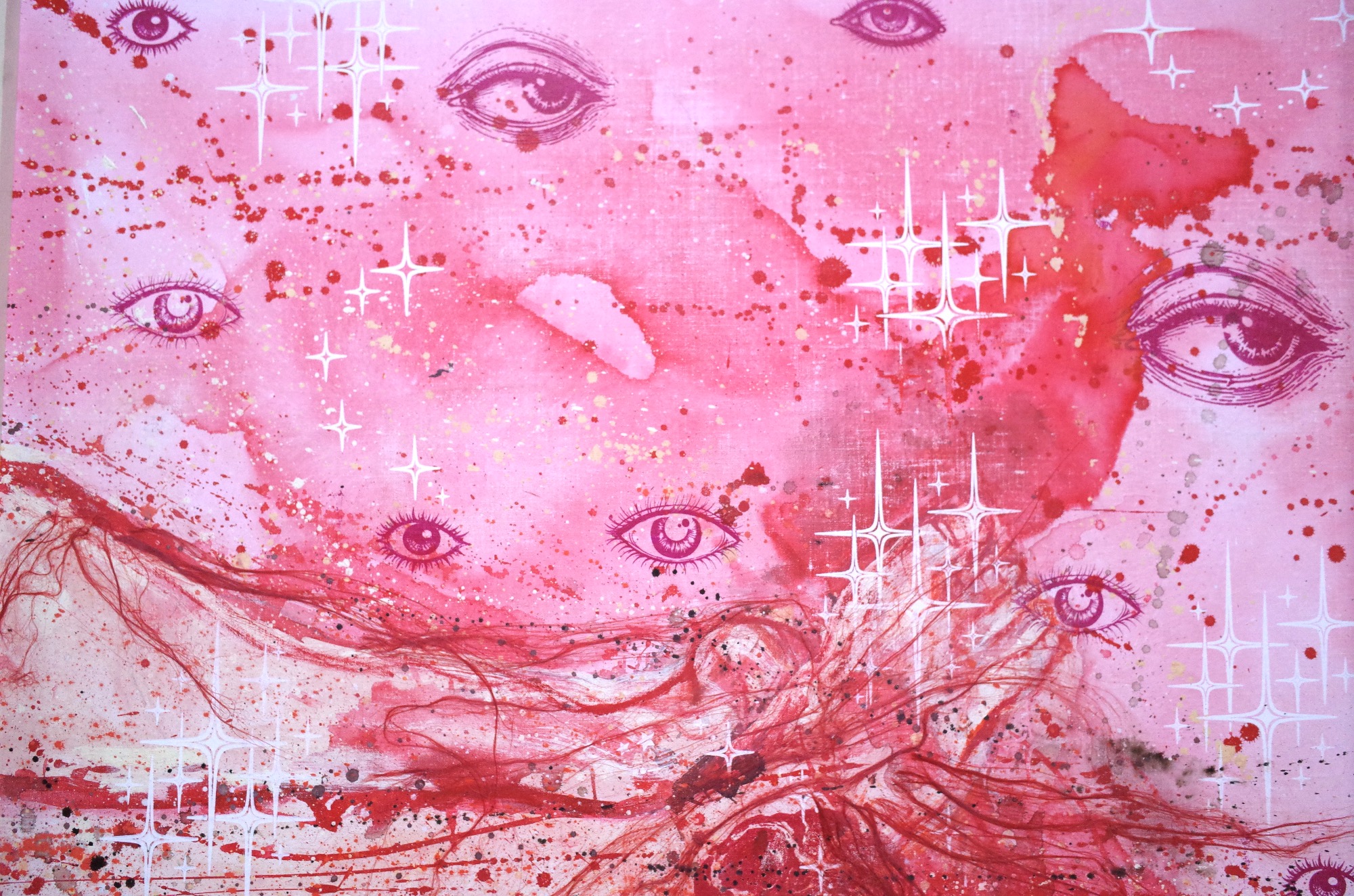
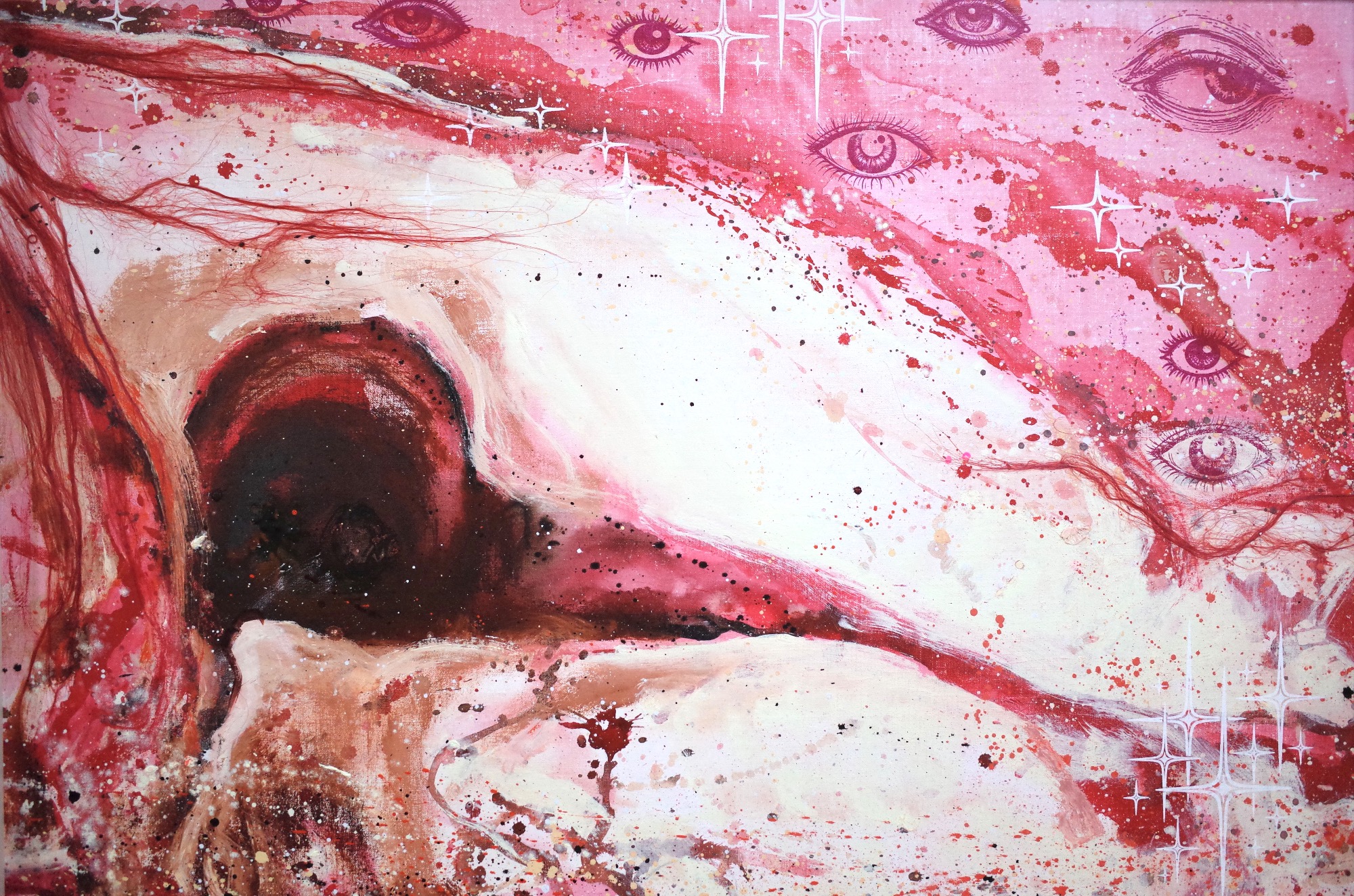
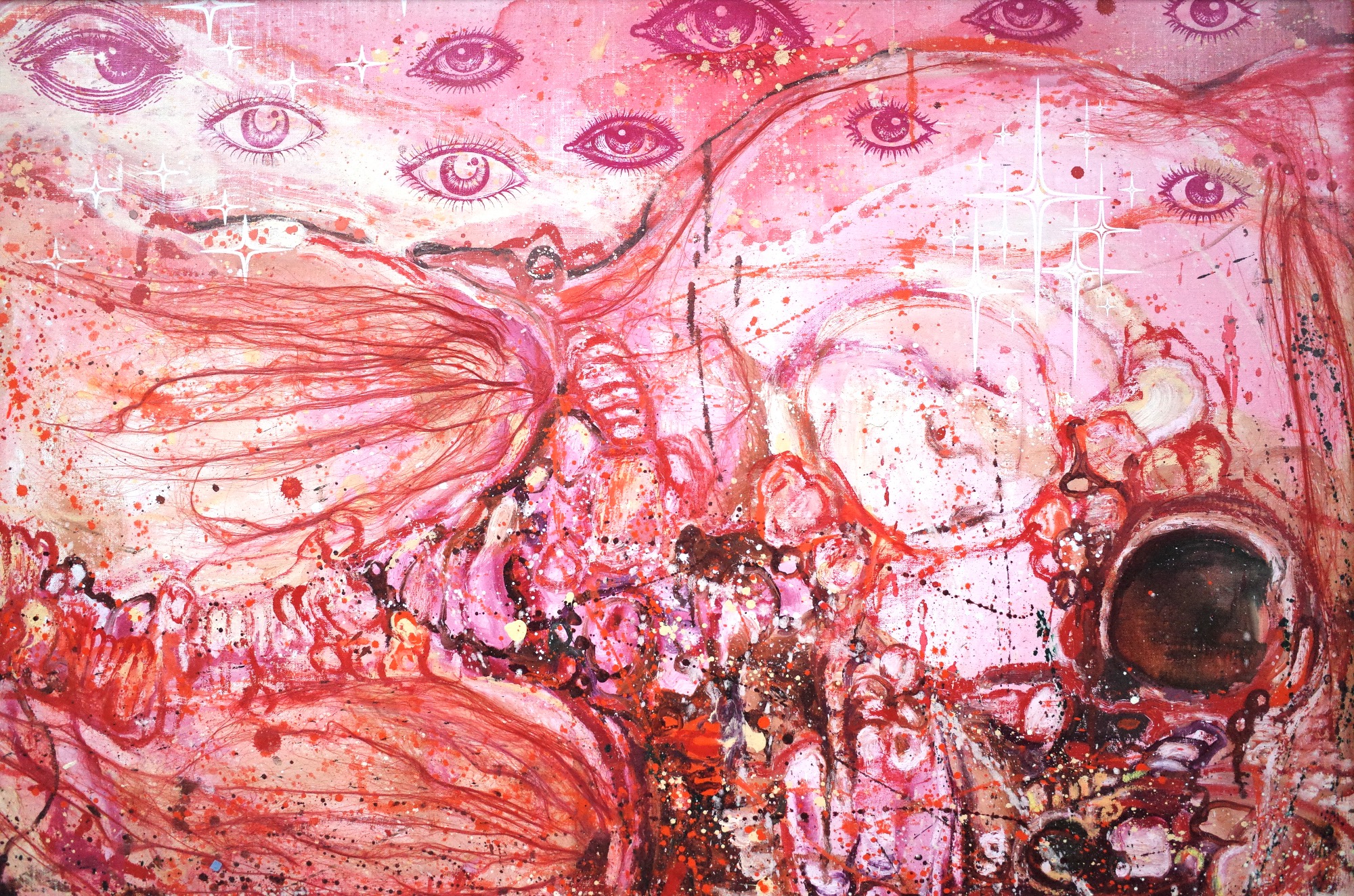
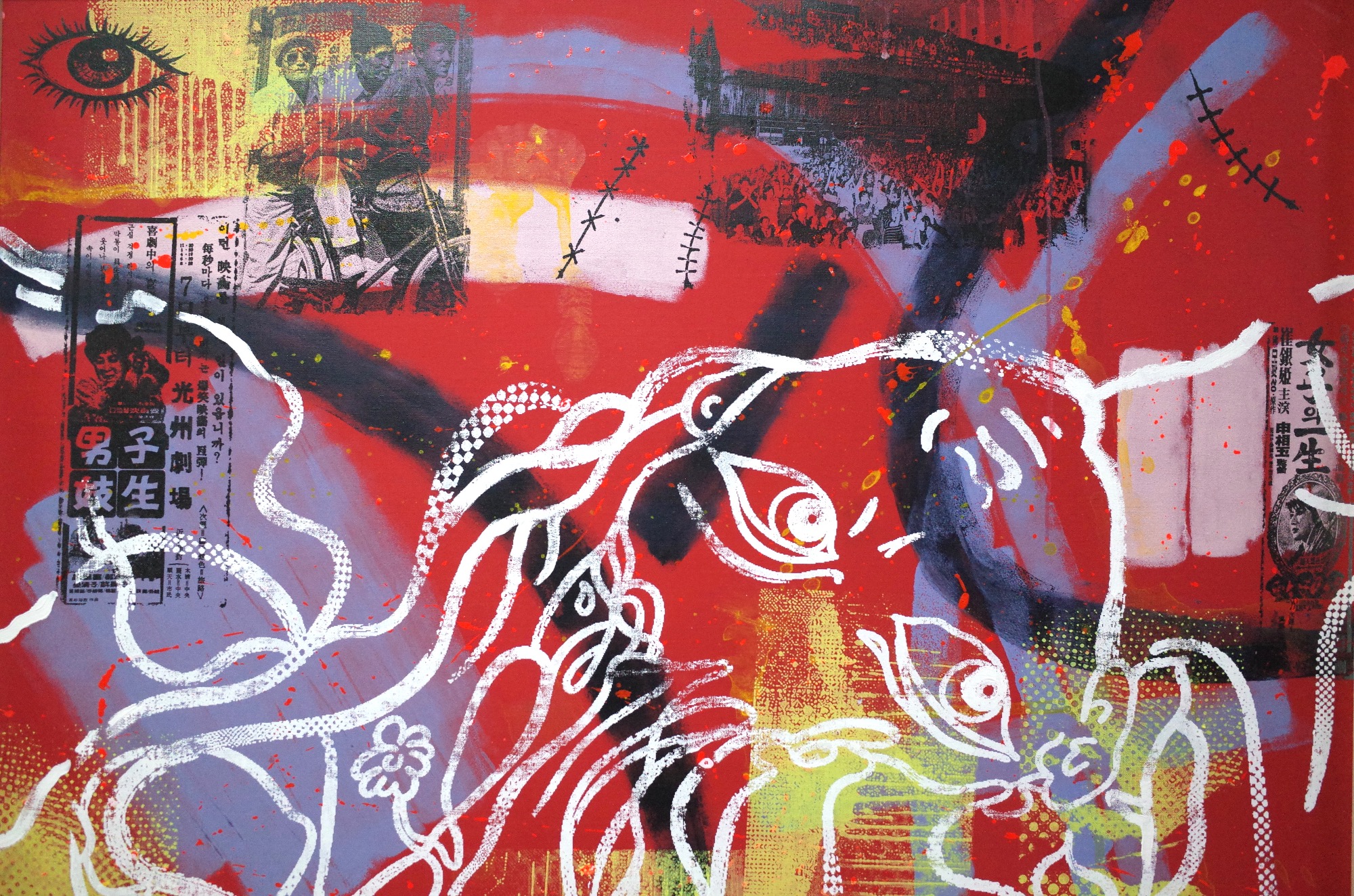
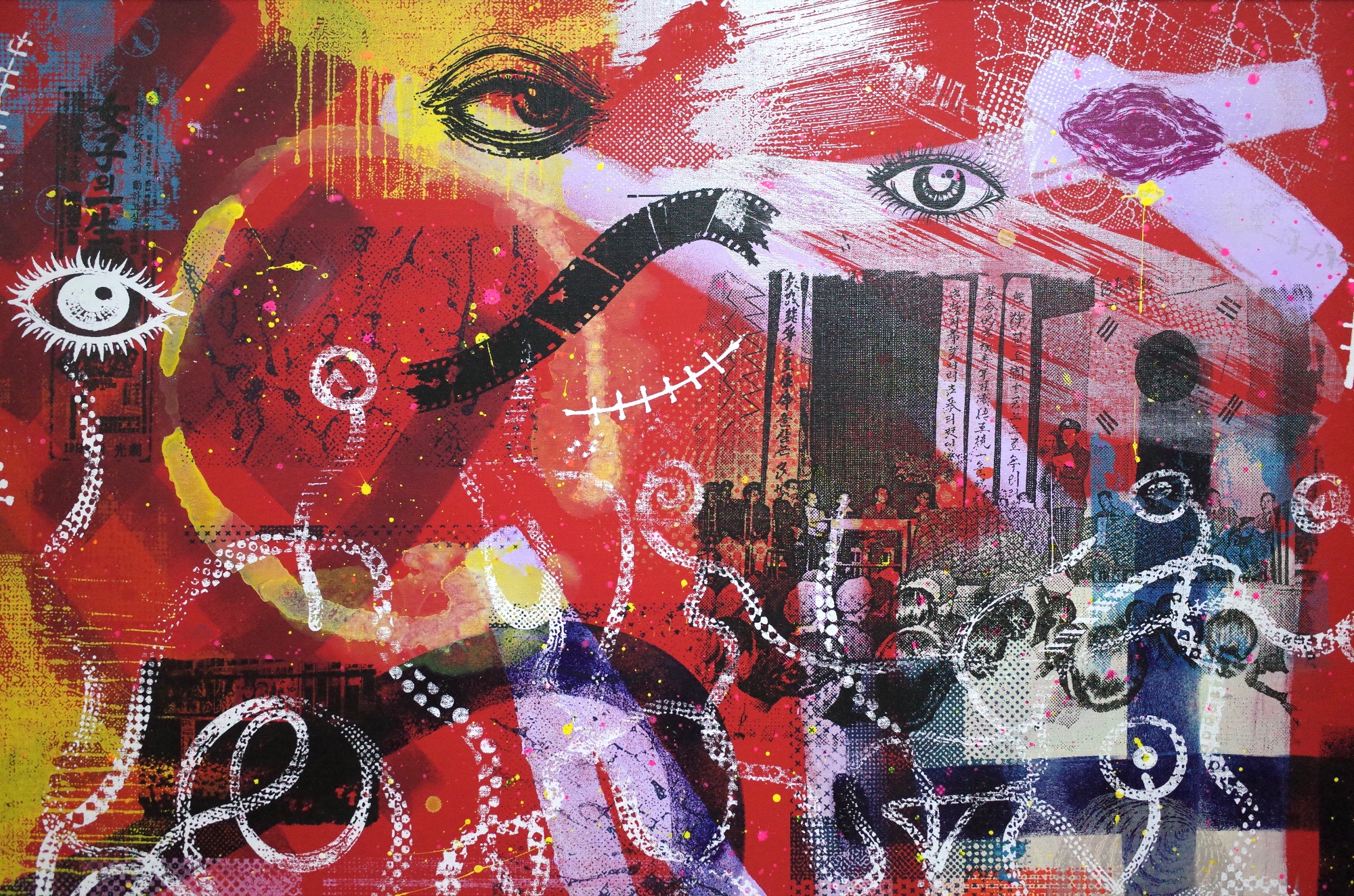
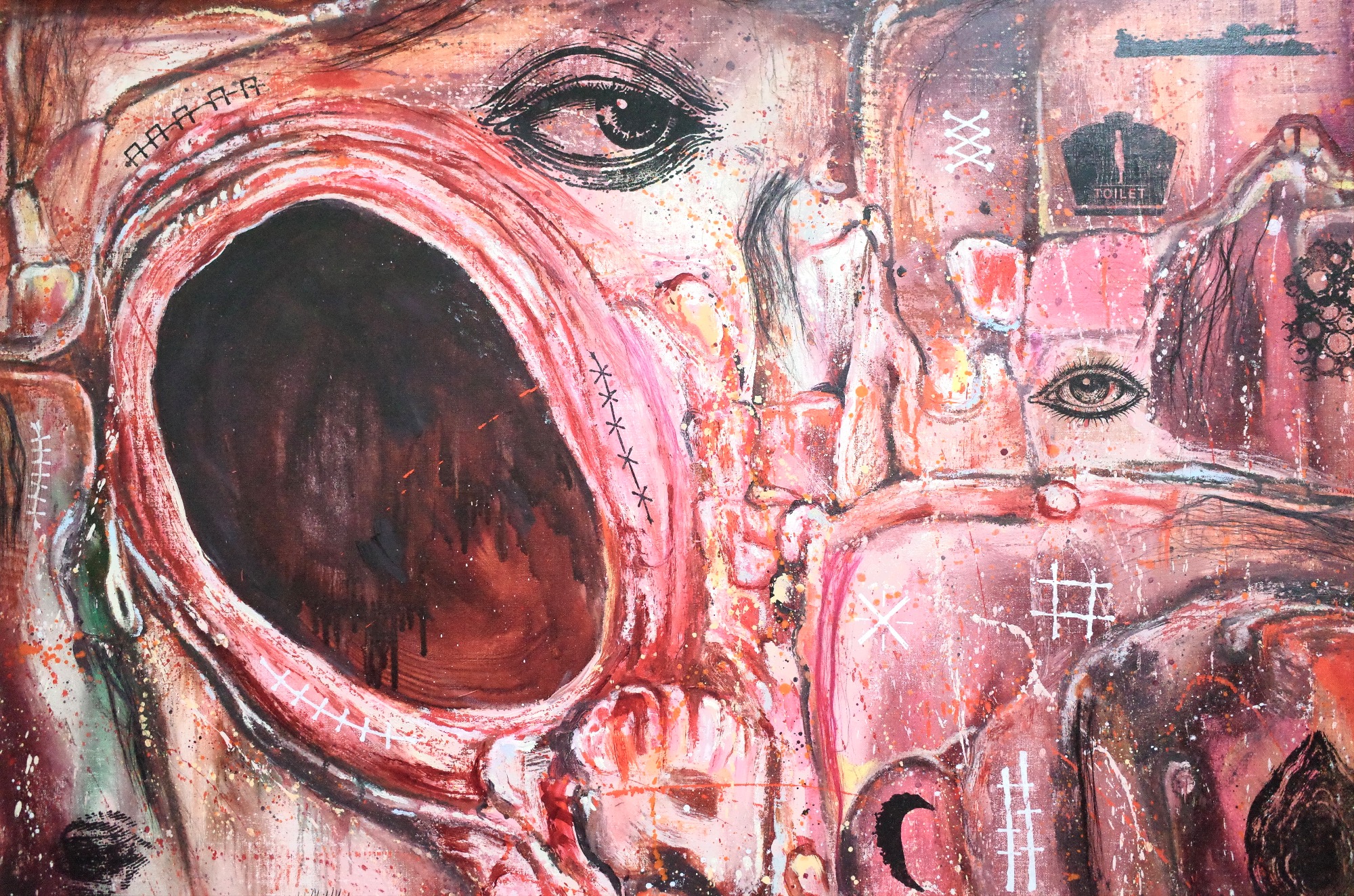
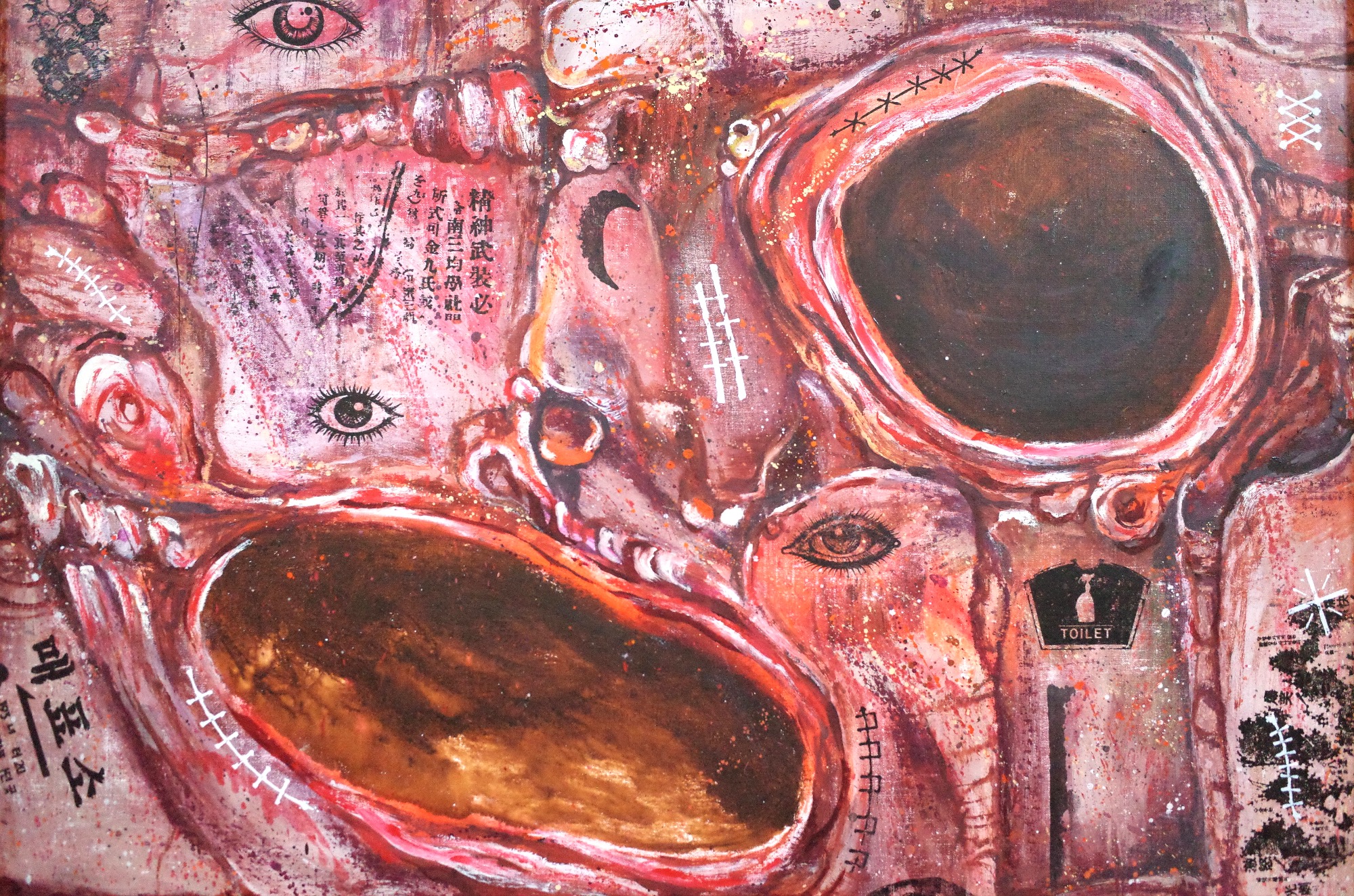
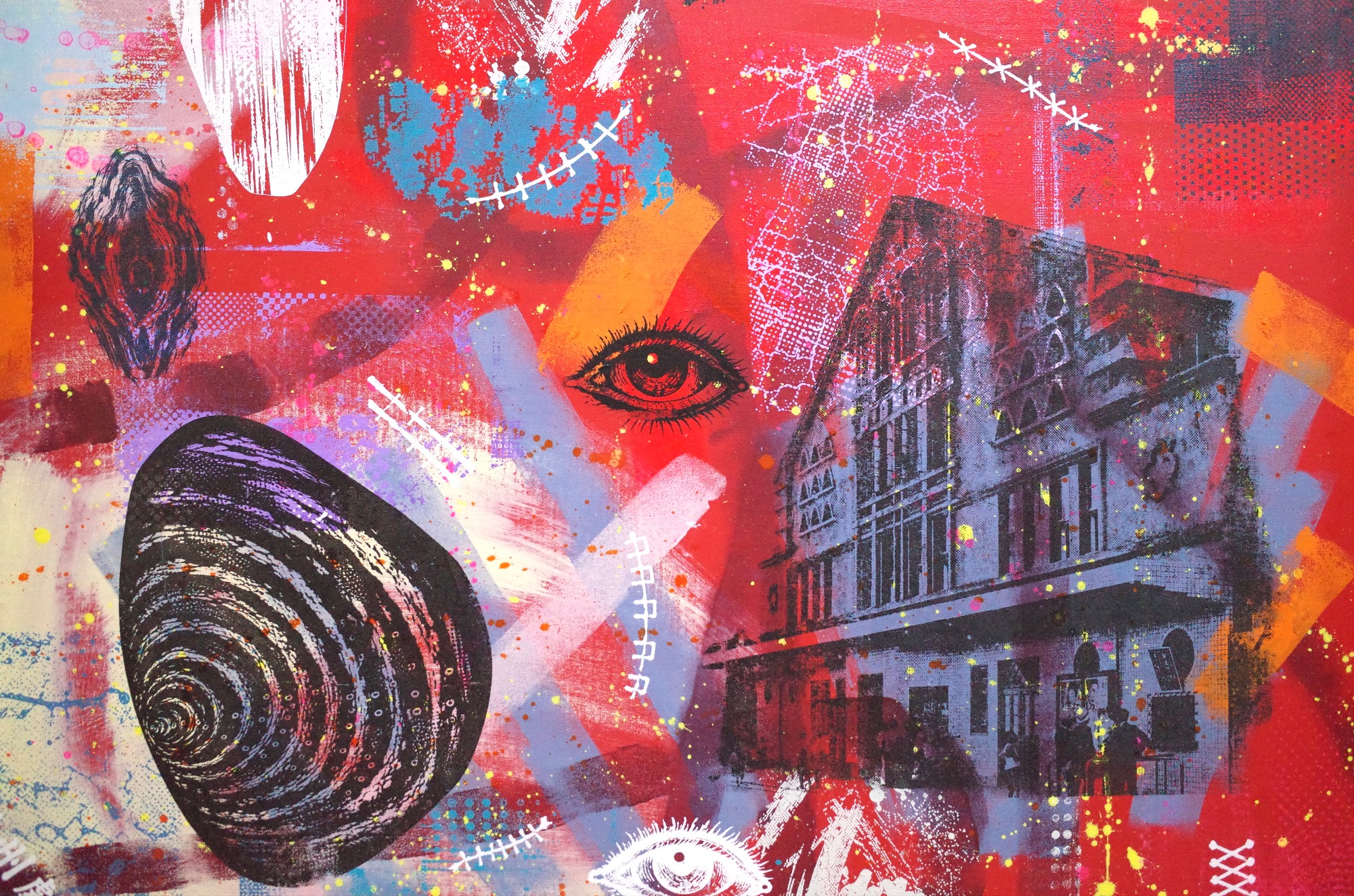
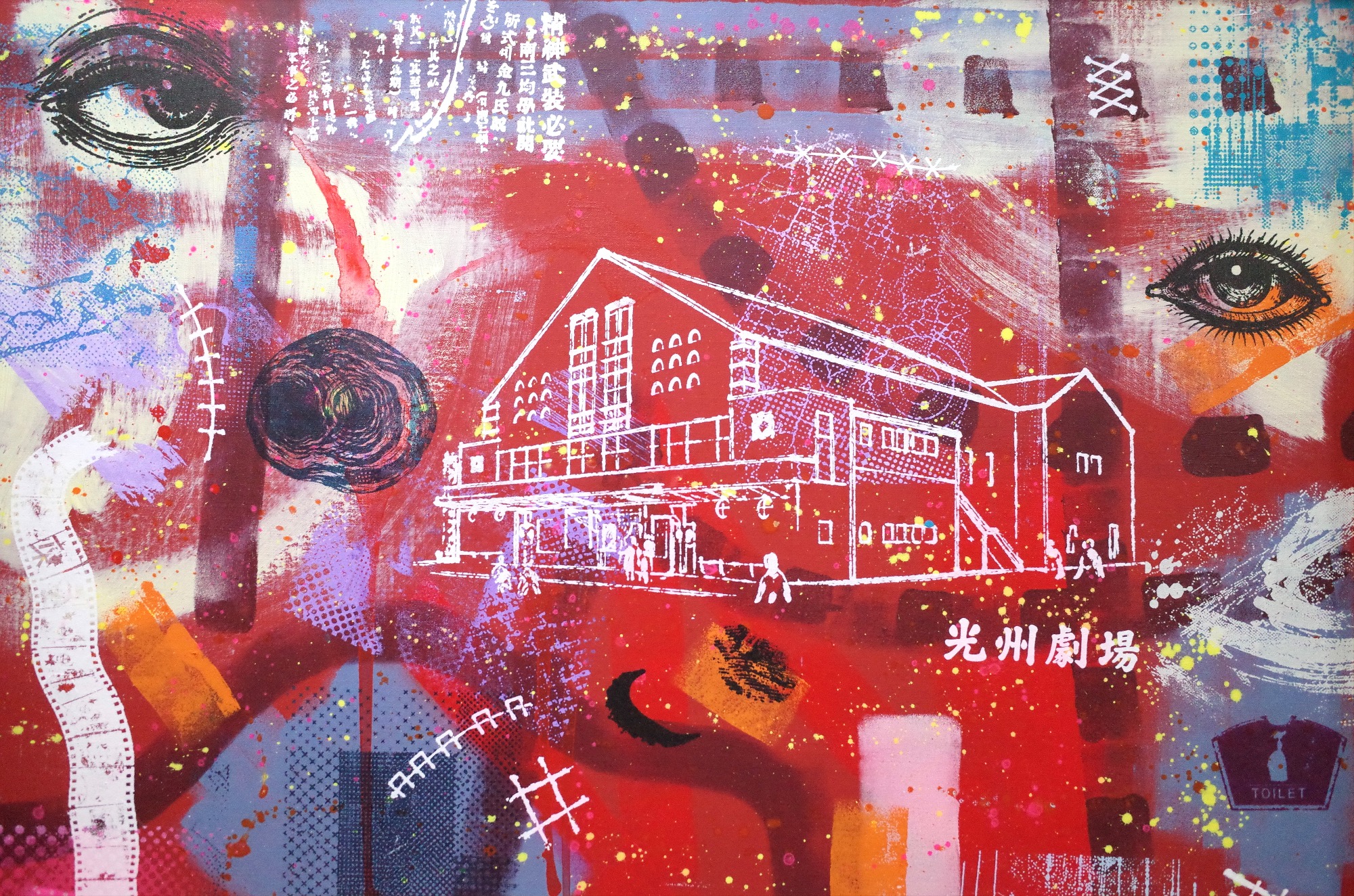
Starting from archival photographs installed along one of its corridors, Jang examines the Gwangju Theatre as a visual archive shaped through processes of selection and reinterpretation. In her practice, the archive is not considered as a fixed record, but as a collection of images opened up through a strategy of ‘unarchiving’, revealing sensory and affective dimensions embedded in the original materials. Constructed as nine consecutive double-sided frames, the installation presents paintings on one side and archival photographs relating to the history of the Gwangju Theatre on the other. Certain frames also juxtapose paintings that resist clear narrative resolution, providing an open interpretive relationship between archival imagery and painting. While these double-sided frames are reversible to be periodically turned, allowing viewers to encounter only either of the sides – one of the two images – at a time. What we see is therefore always partial and selected, while the other side remains unseen. If archival photographs can document particular historical events, painting, as a methodological approach of ‘unarchiving’, reveals the affective and bodily perceptions beyond those records.
The Unarchiving Portal, 2026.
Oil, acrylic, human hair, and silkscreen printing mounted on double sided wood panel, 9 panels, 91 x 117 cm each.
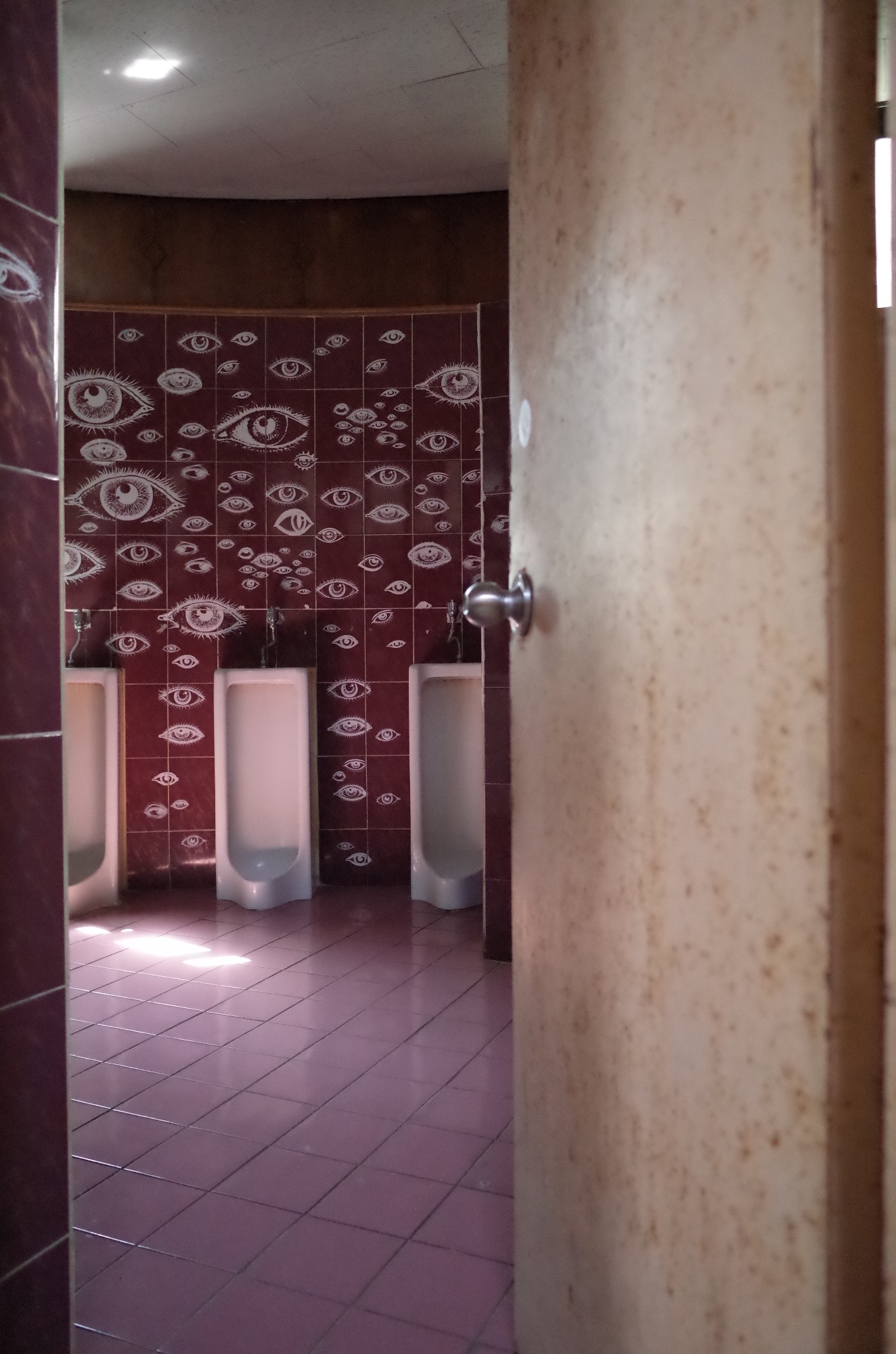
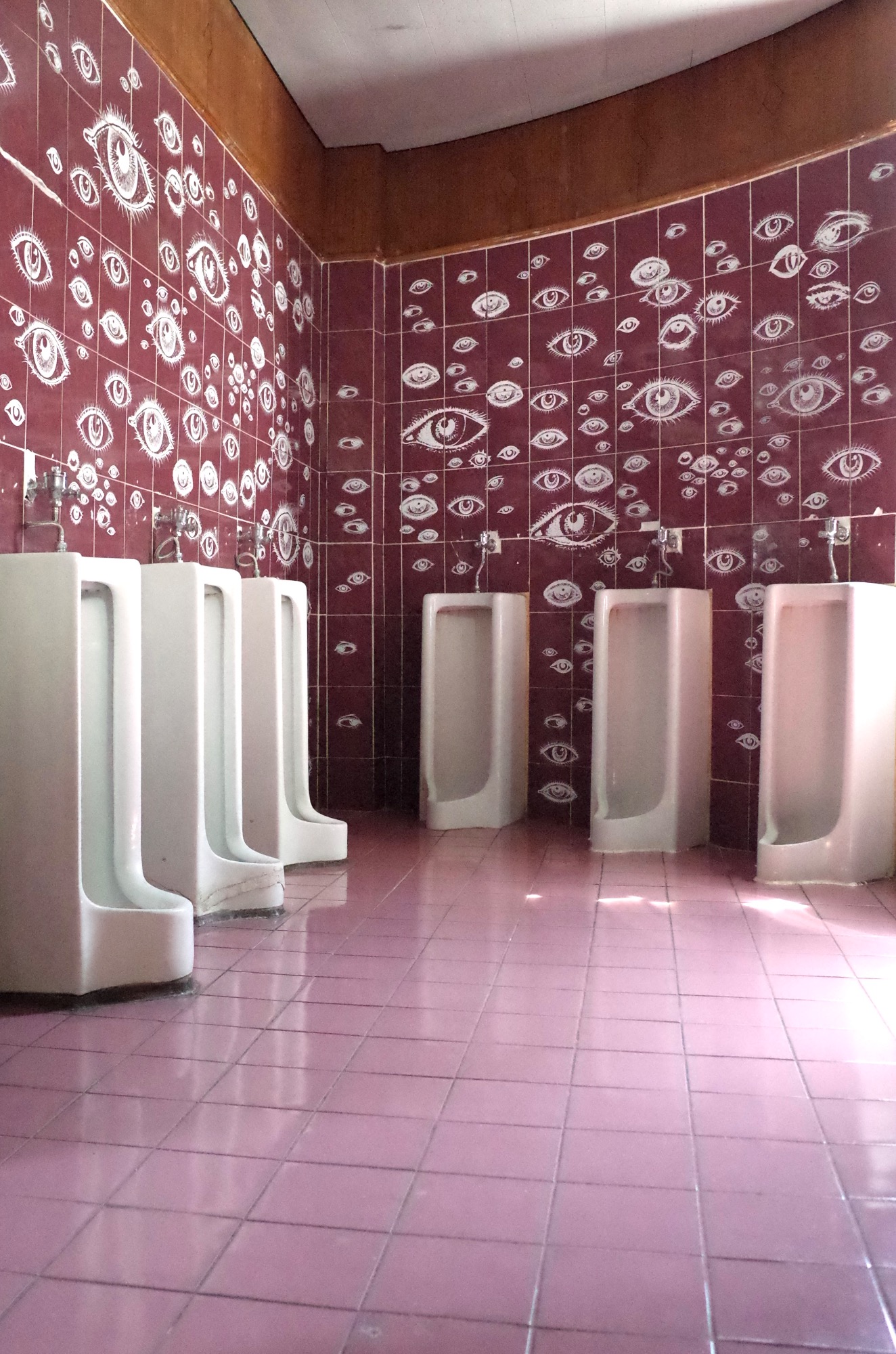
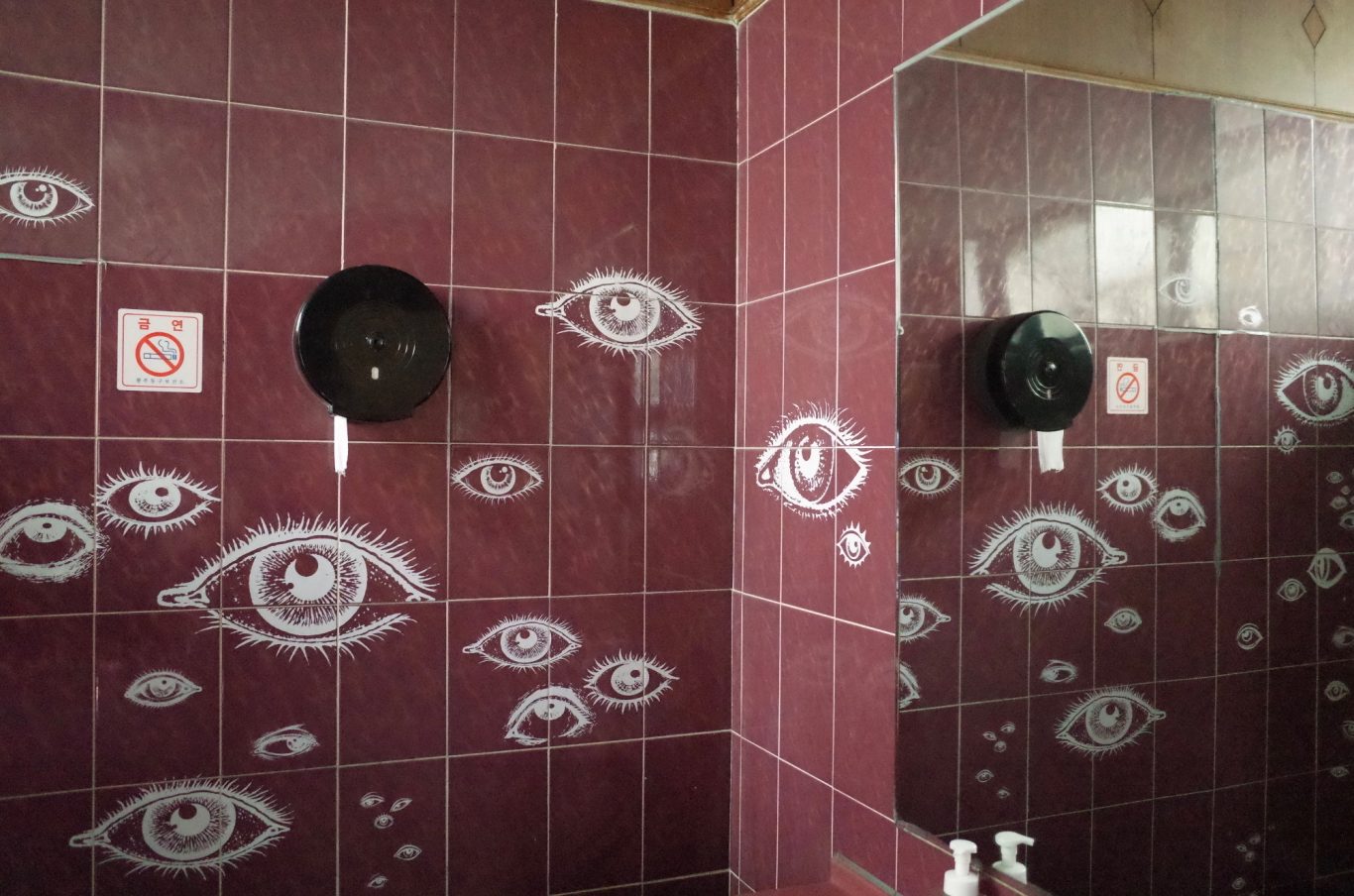
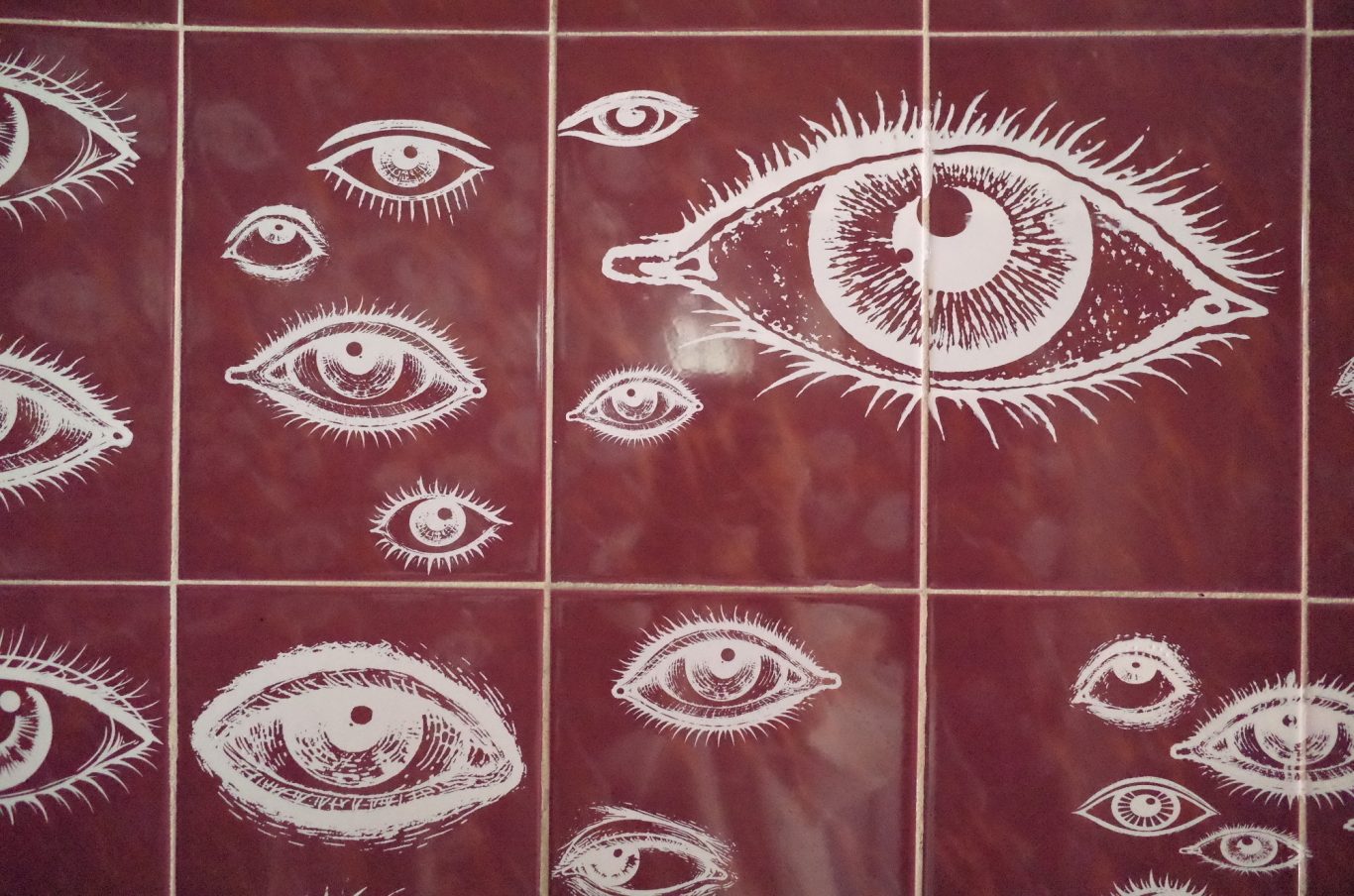
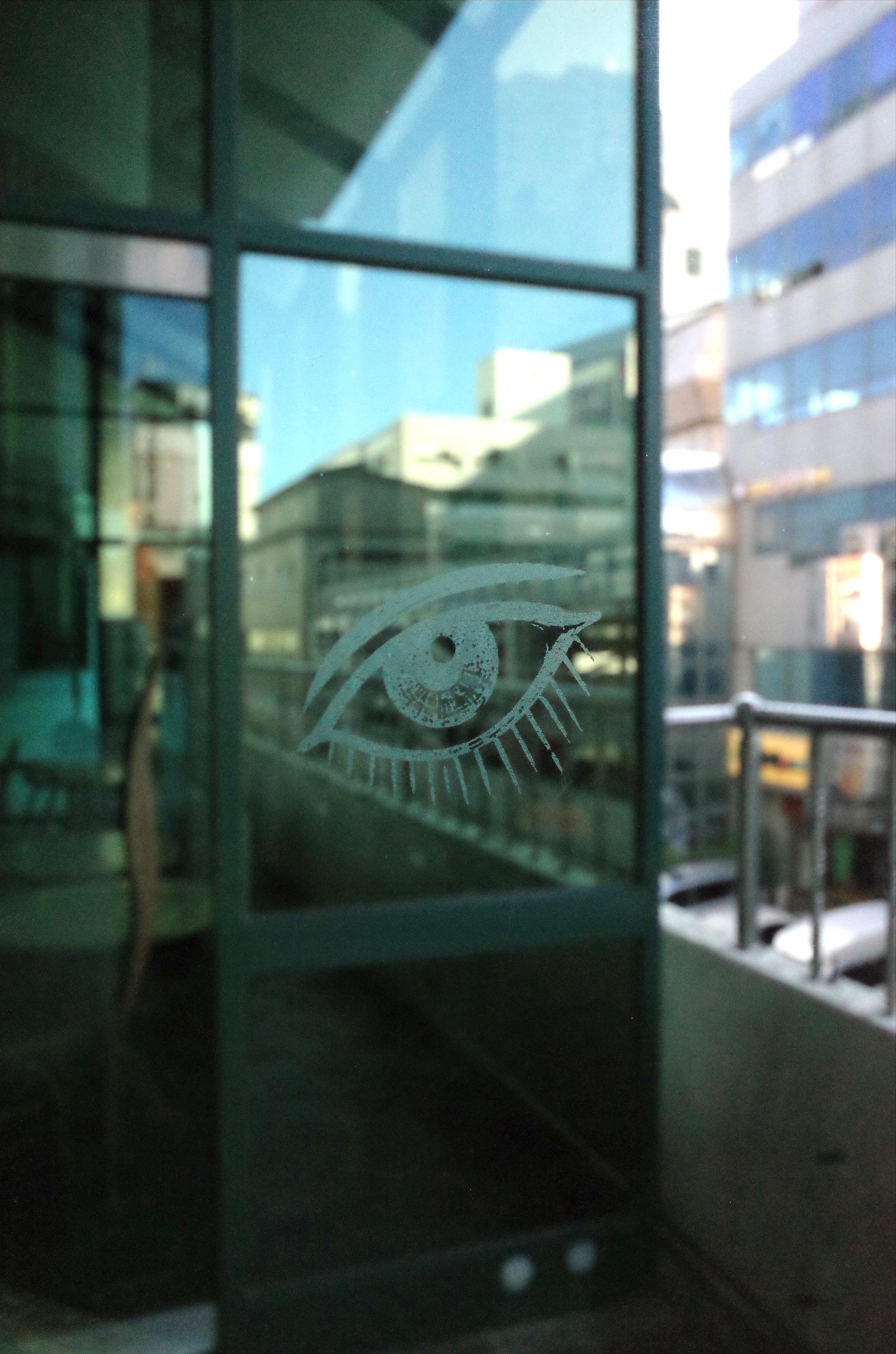
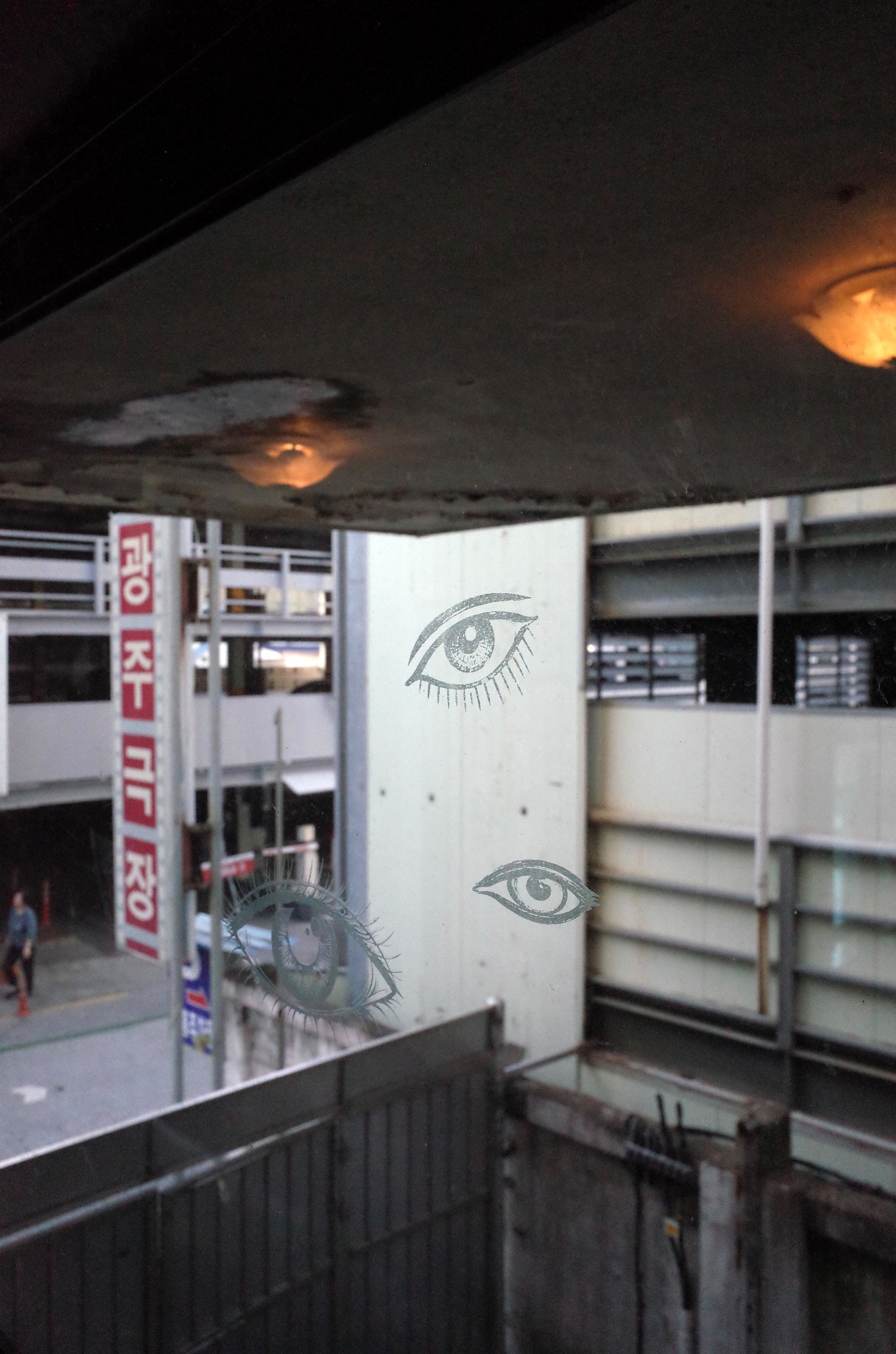


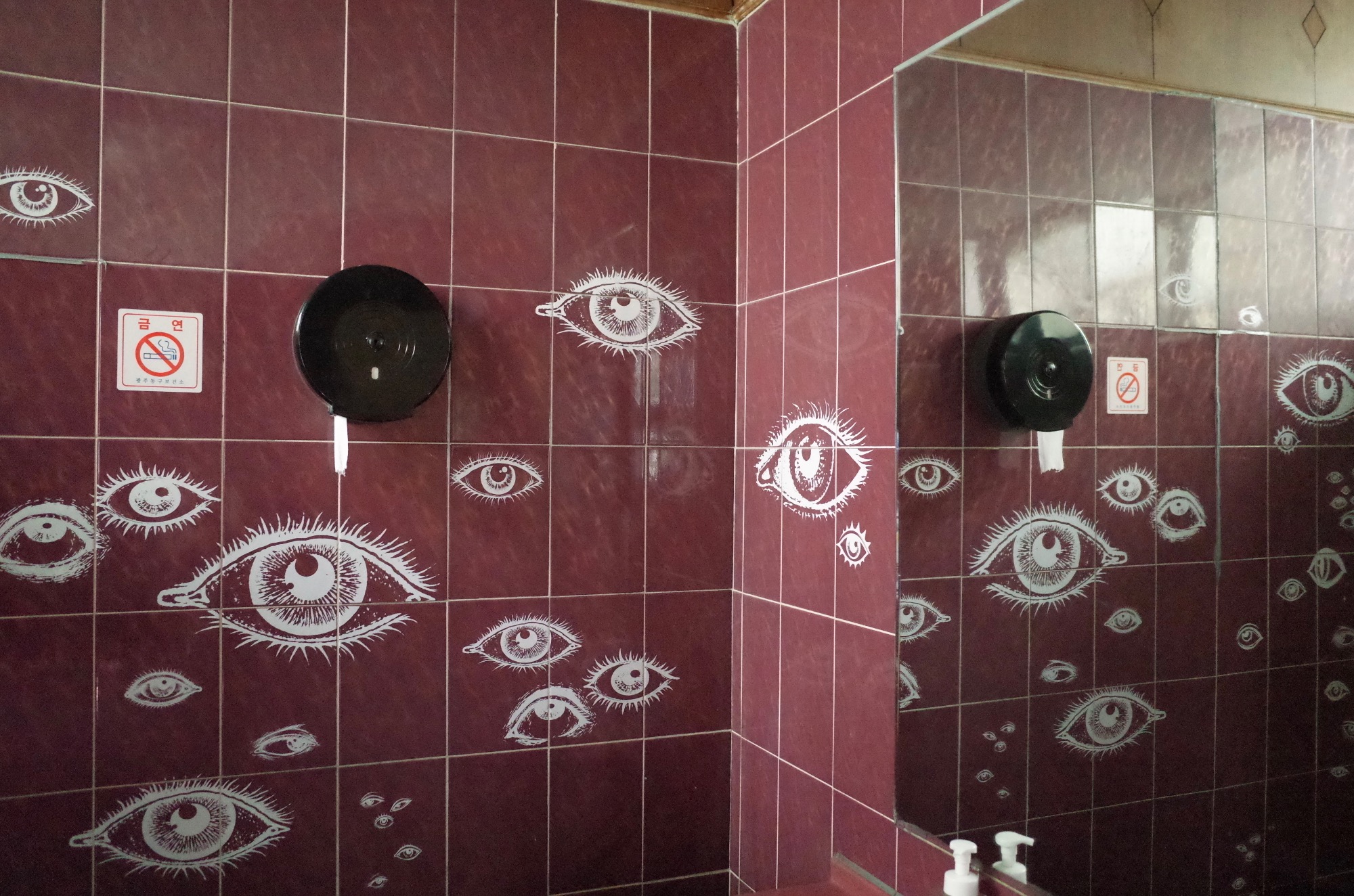
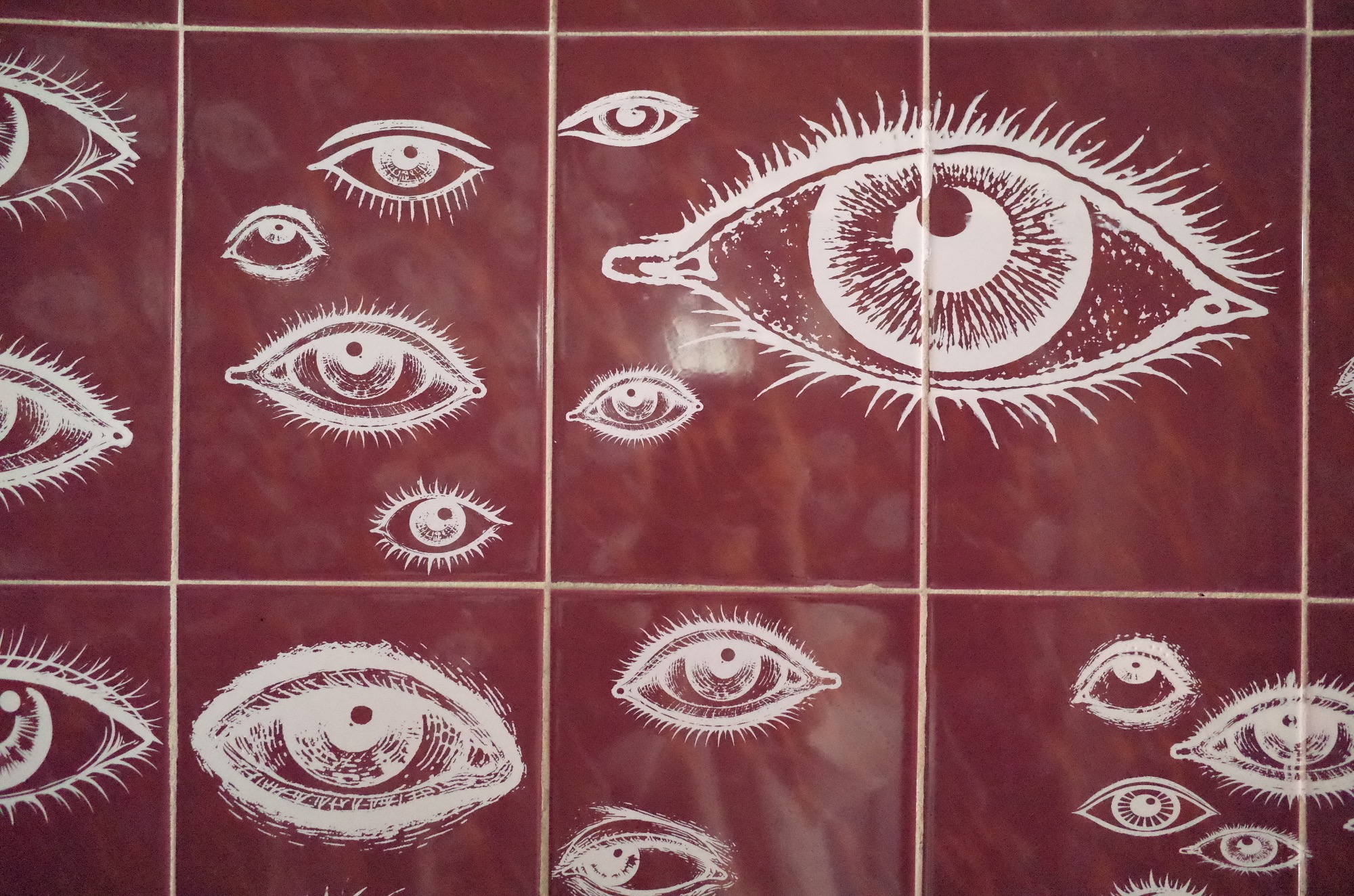
This project reconsiders the conditions through which theatre operates – the gaze and the body, censorship and power. The Gwangju Theatre once contained the Imgeomseok (inspection seat), where film censorship was carried out during the Japanese colonial period. In Jang’s site-specific work, it is understood not simply as a cinema, but as a space functioning as an apparatus that organises both images and vision, determining what becomes visible and what remains subject to control. Rather than locating this installation within the central space of the screening hall, the work reveals it through a peripheral space – the men’s restroom. The restroom is not separate from the cinematic experience but may instead be understood as a place where the body becomes visible again within a public environment, while simultaneously becoming aware of the presence of others and the operation of self-discipline. Across the tiled walls of the men’s restroom, various images of eye are applied. These flat and diagrammatic forms may initially appear as decorative repetitions, yet they operate as a subtle visual intervention that exposes the latent tension of the gaze already embedded within the space. The eyes appear as signs of surveillance, permeating the theatre beyond the restroom, and turning the theatre into a field of vision.
This Room Has Eyes, 2026.
Oil-based silkscreen on the existing tiles, dimensions variable.
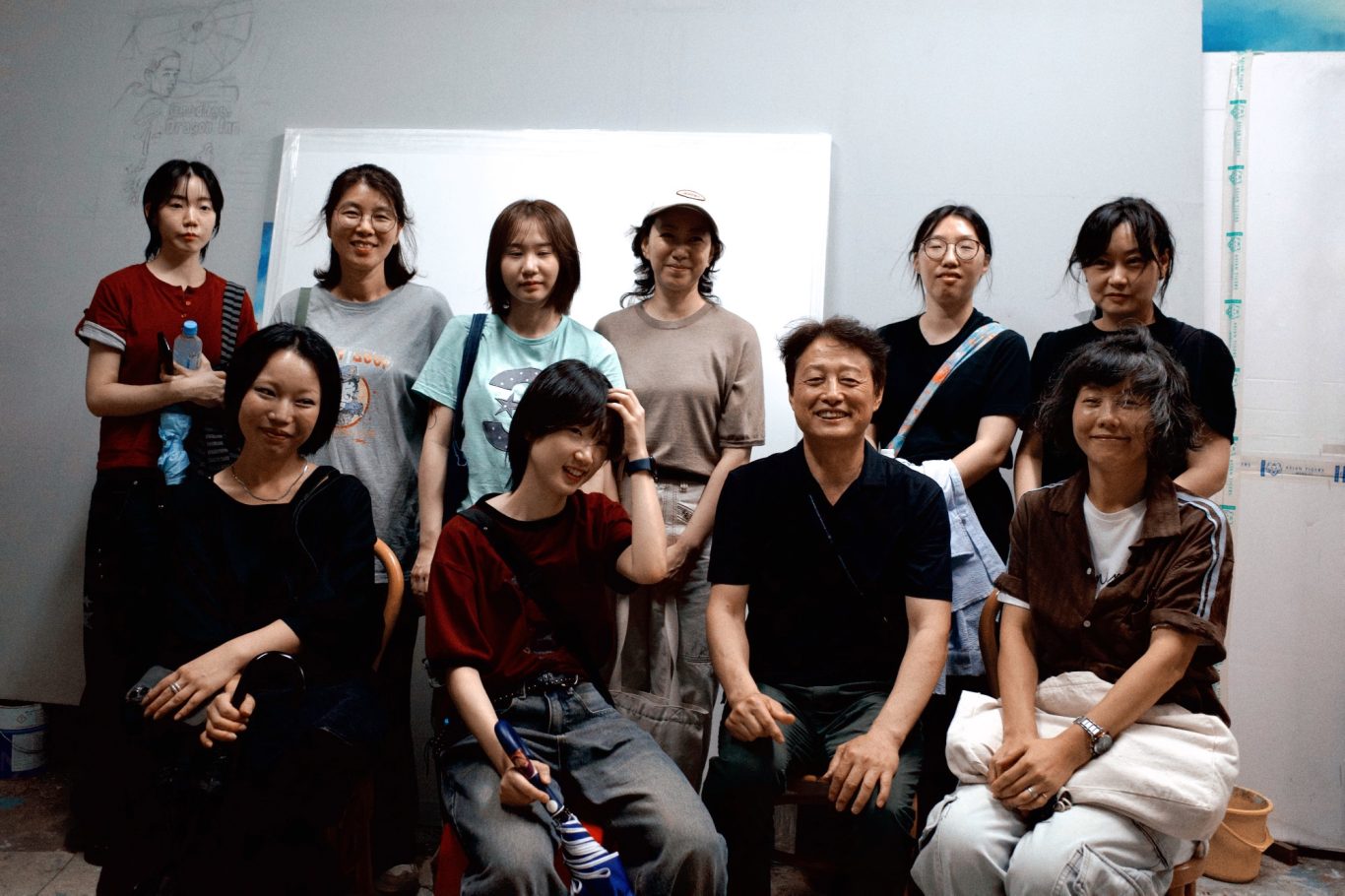
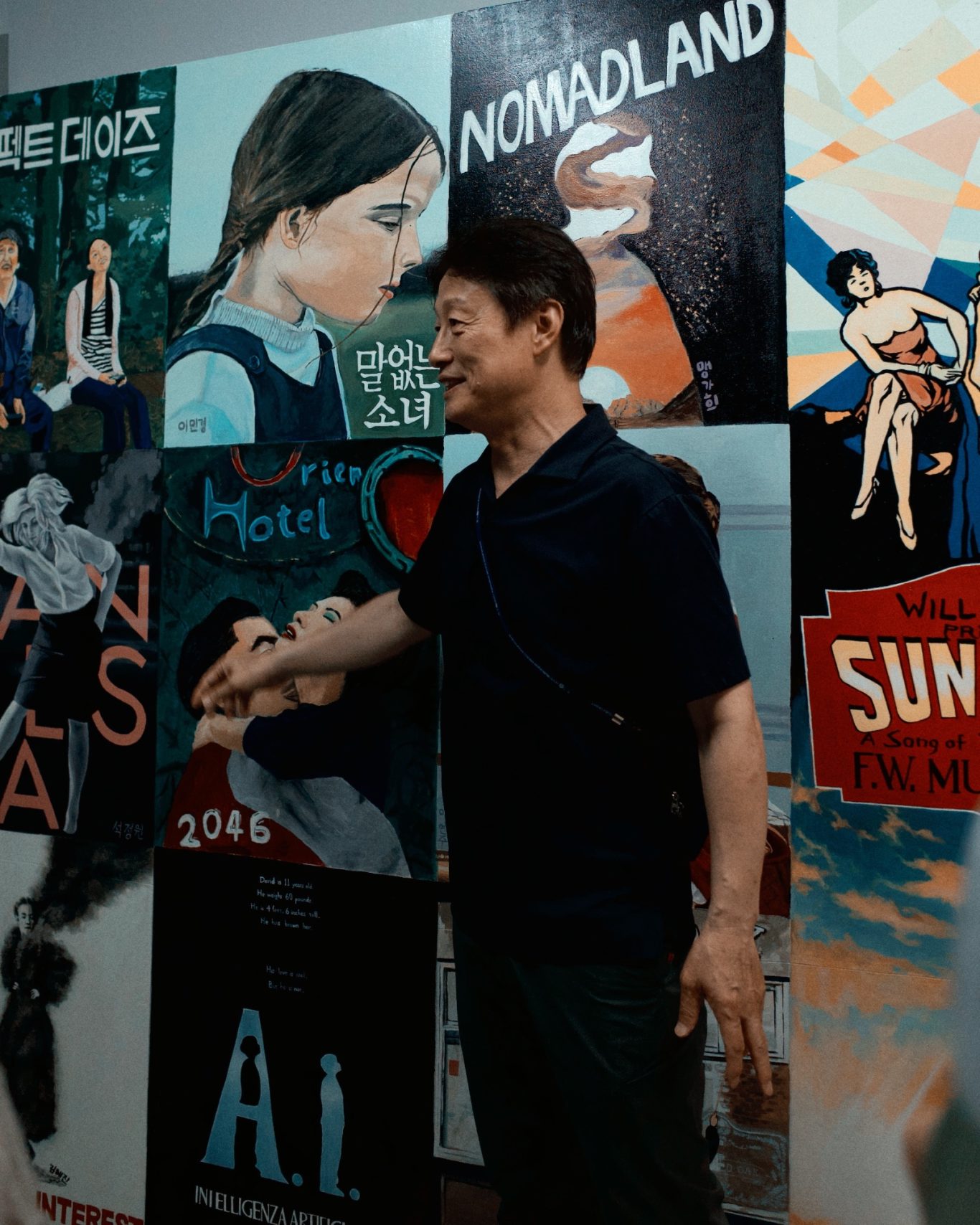
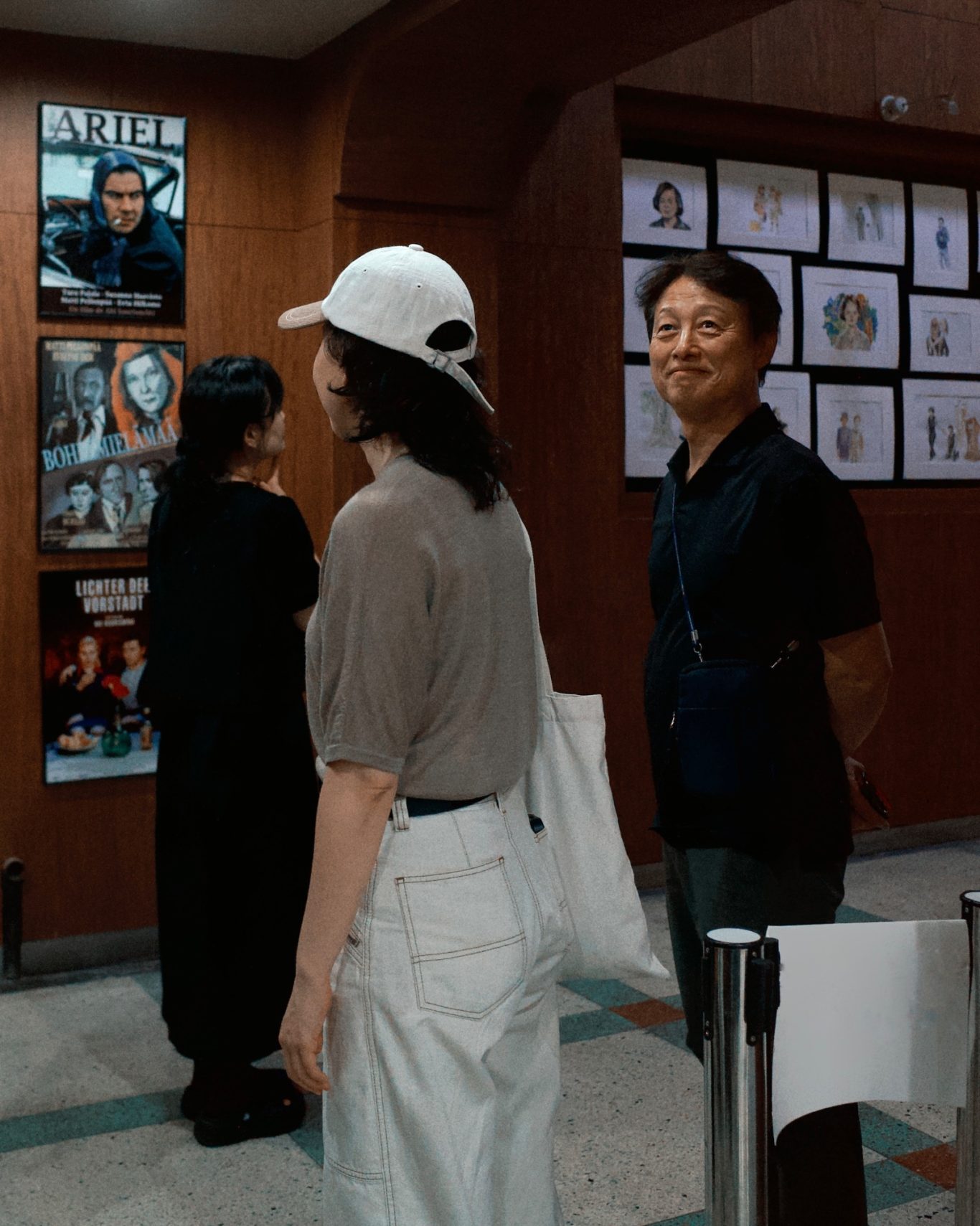
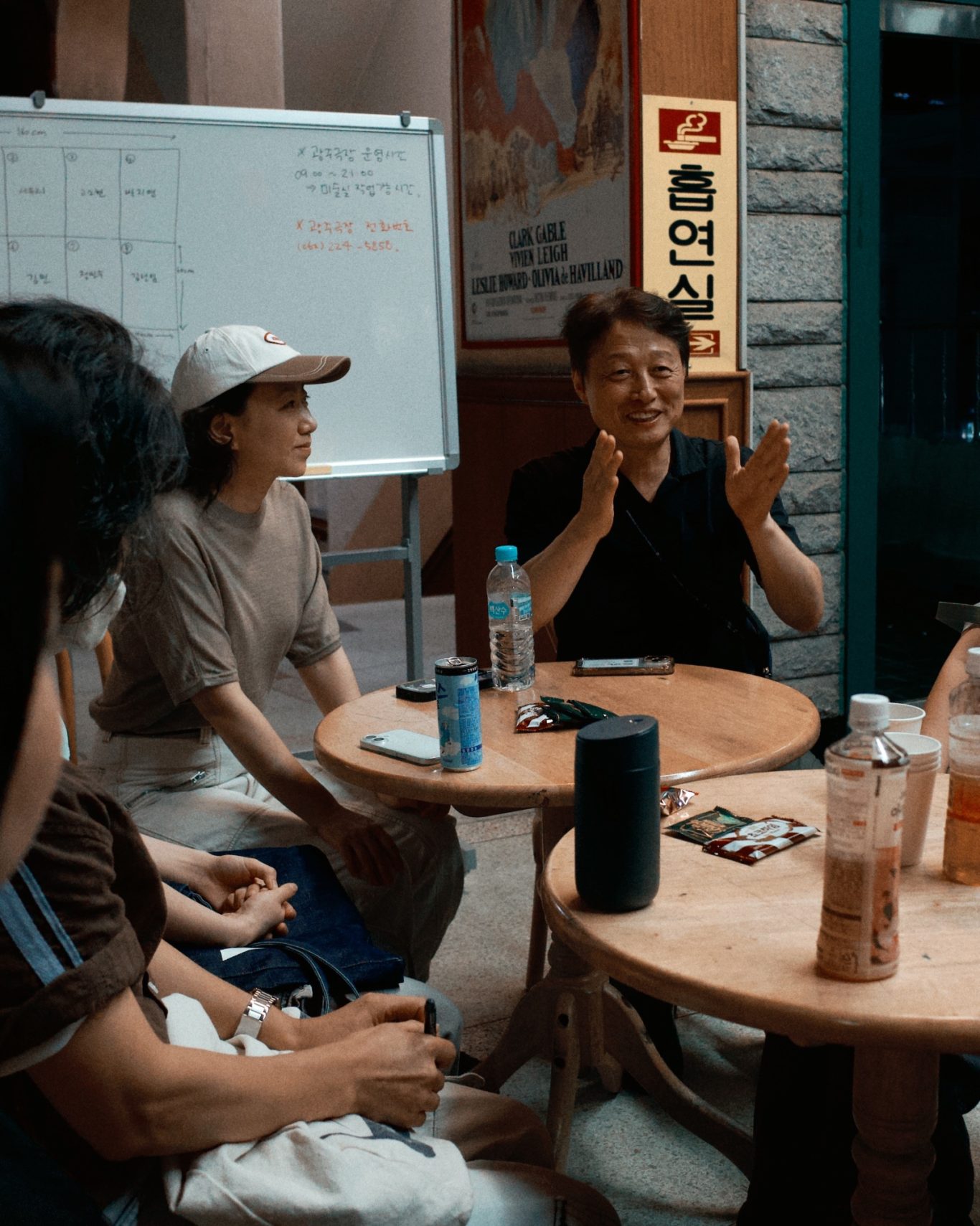
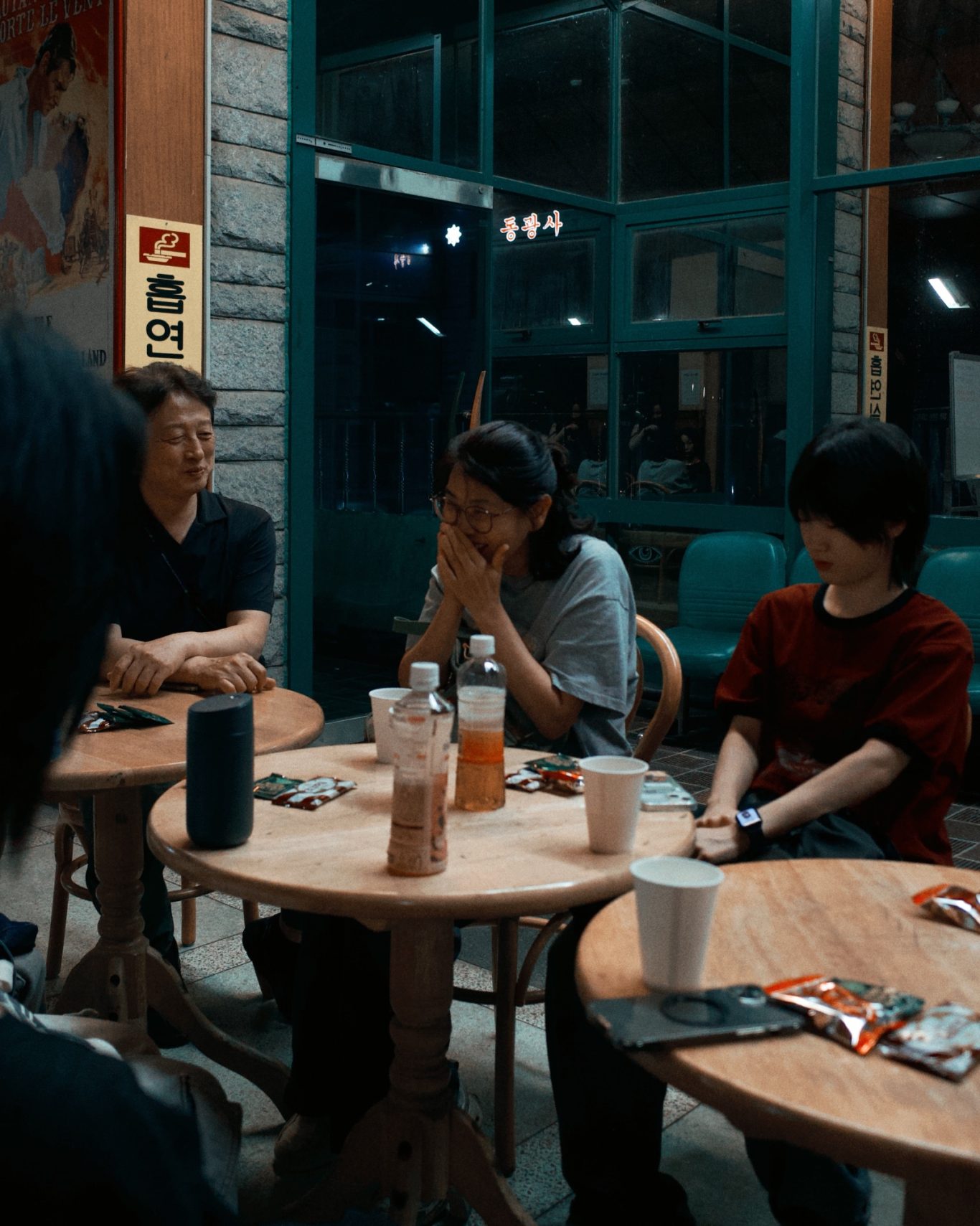
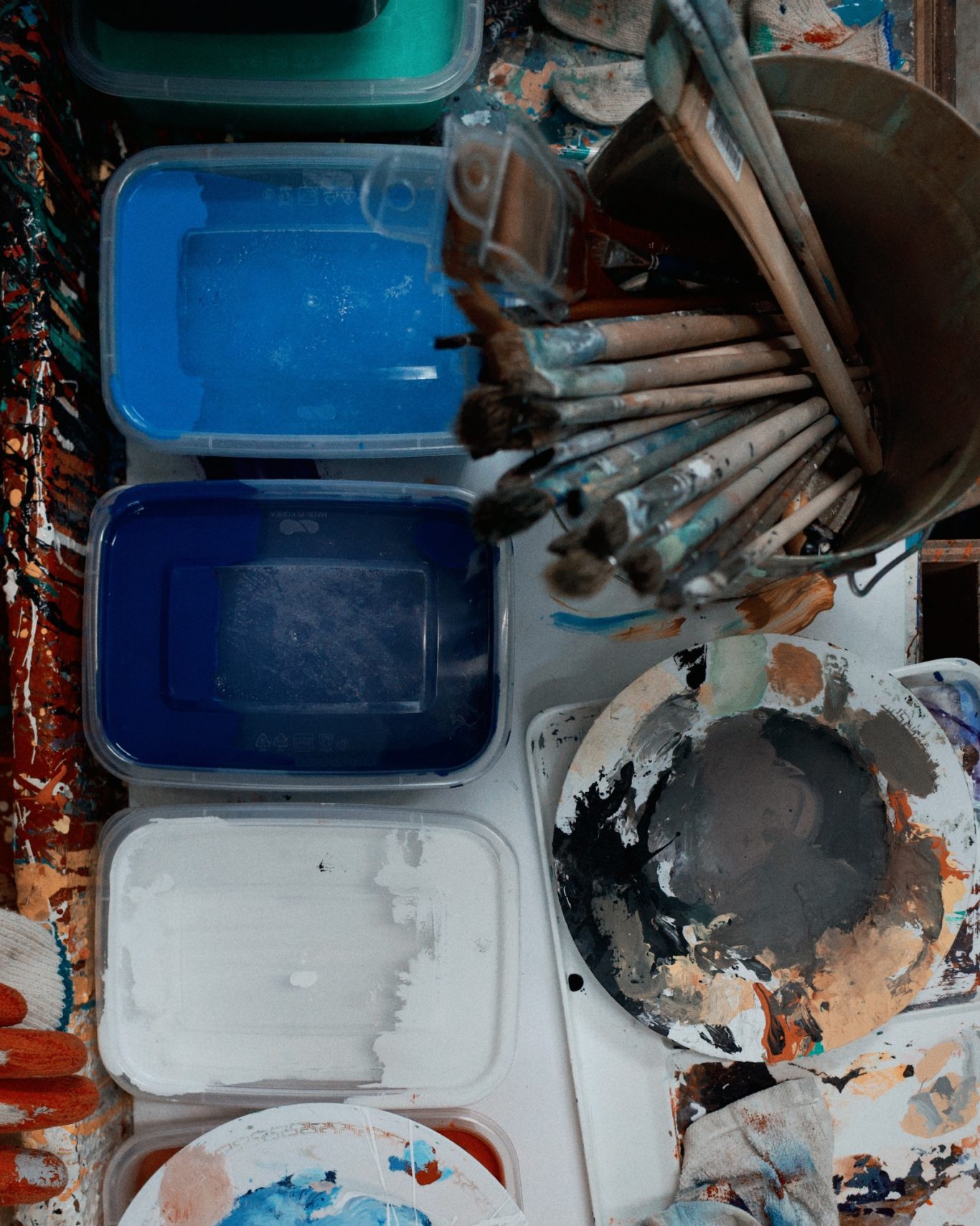
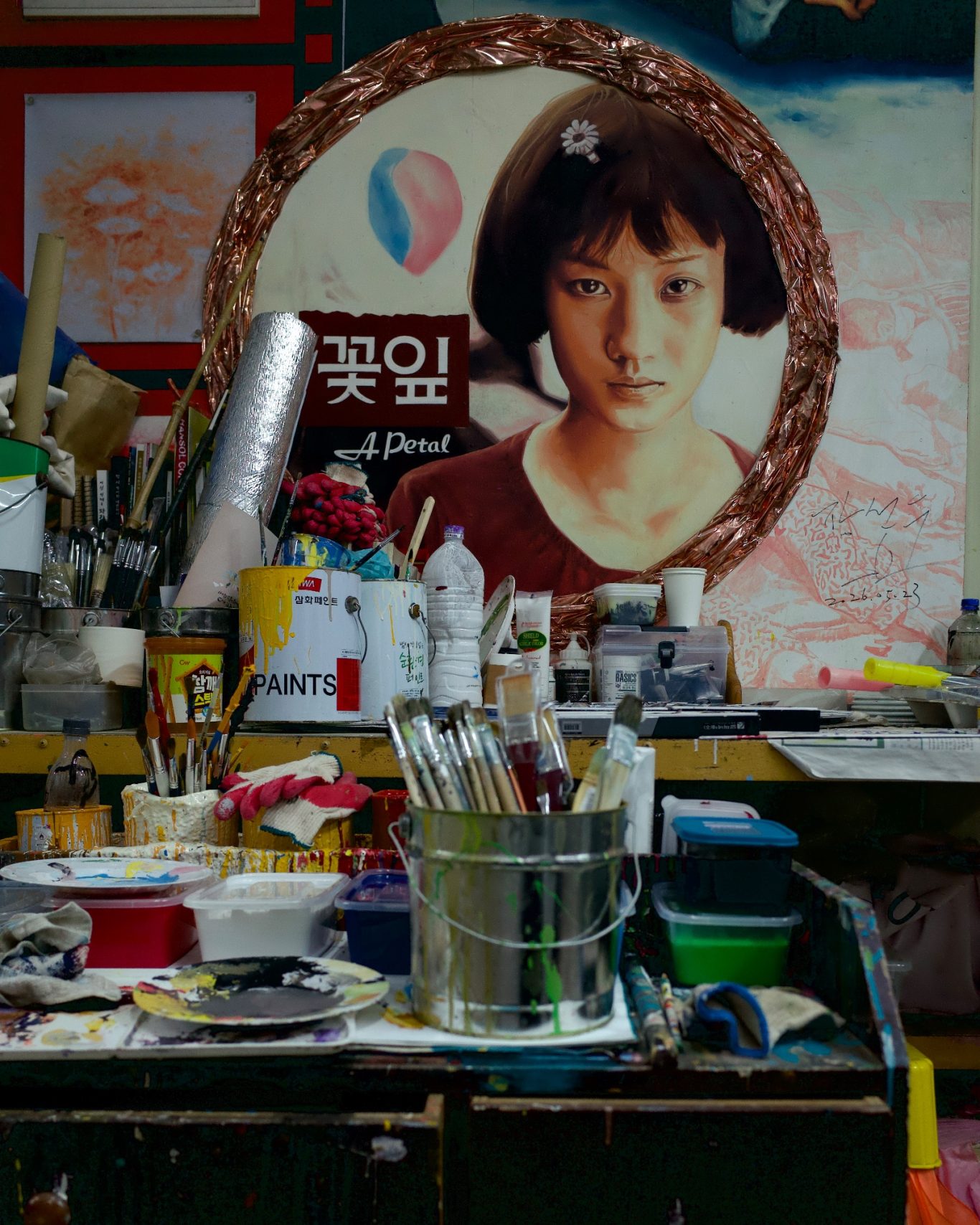


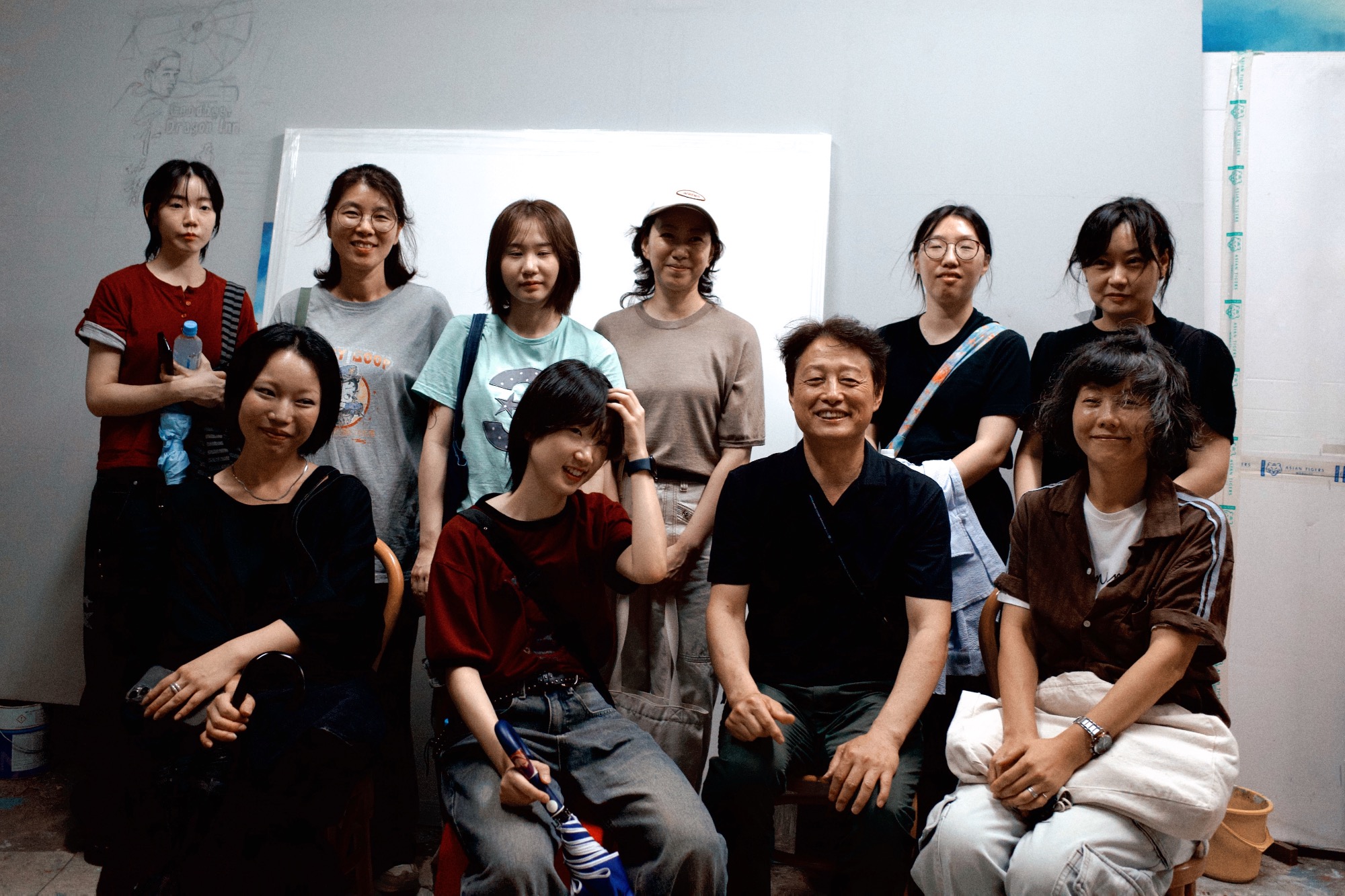
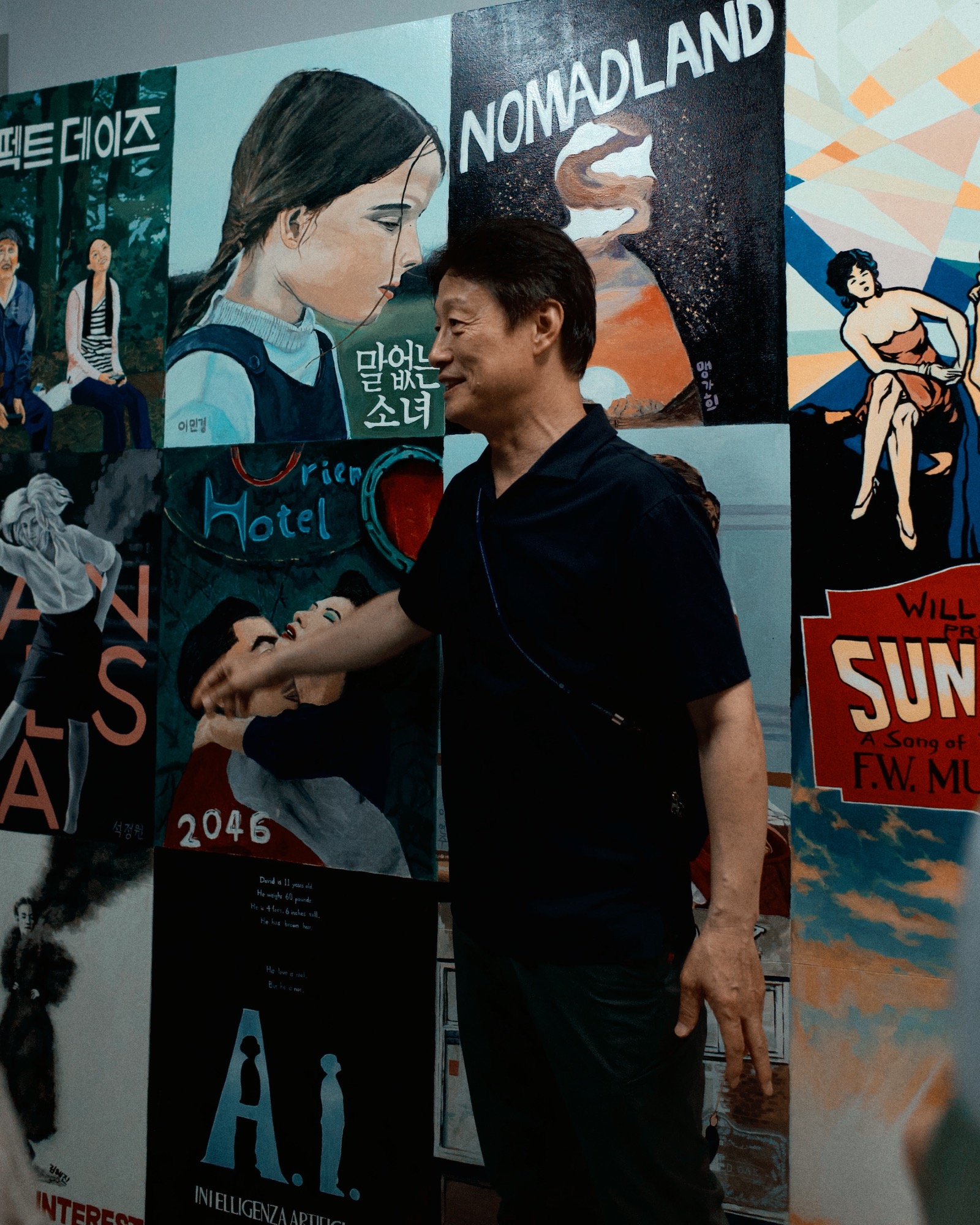
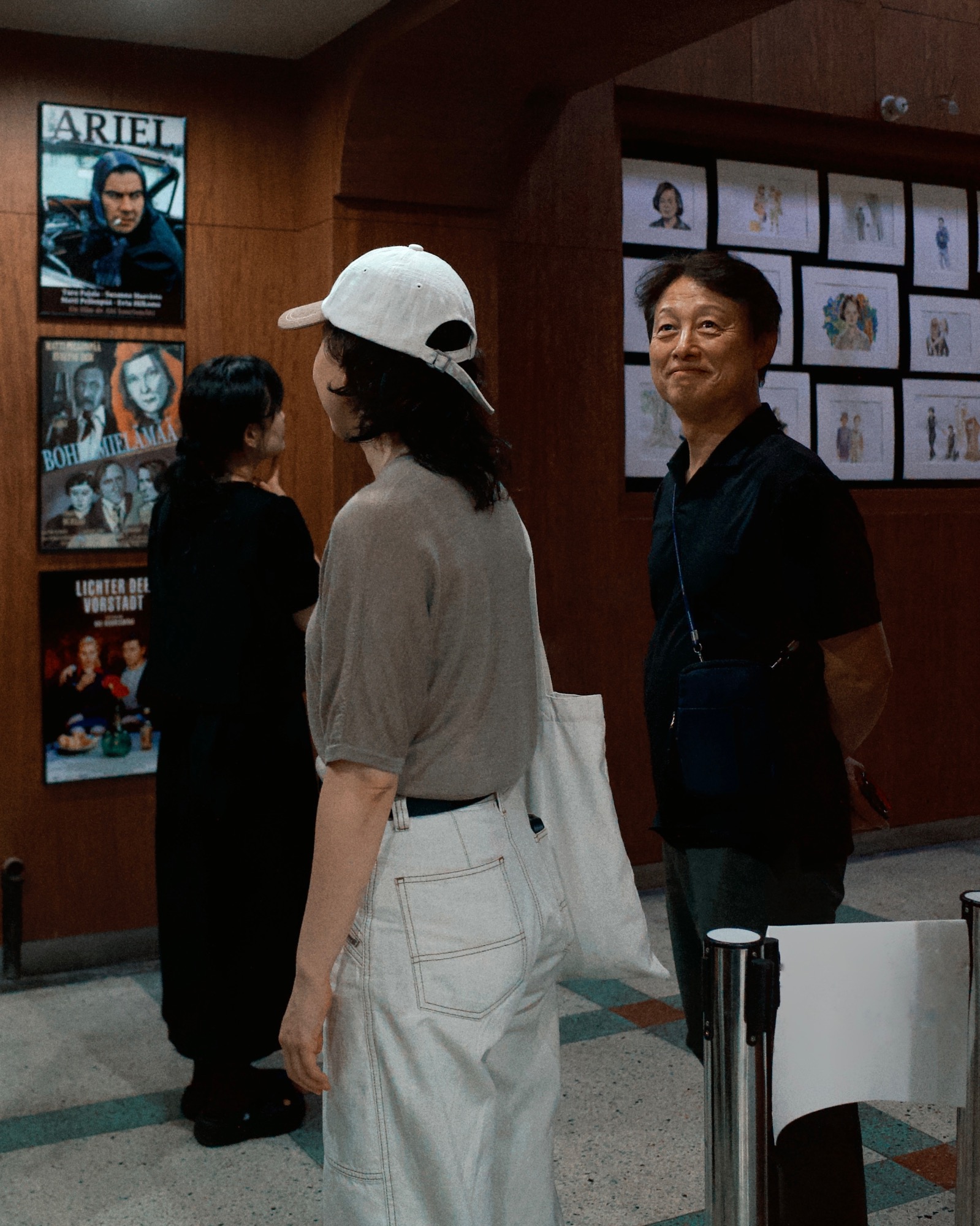
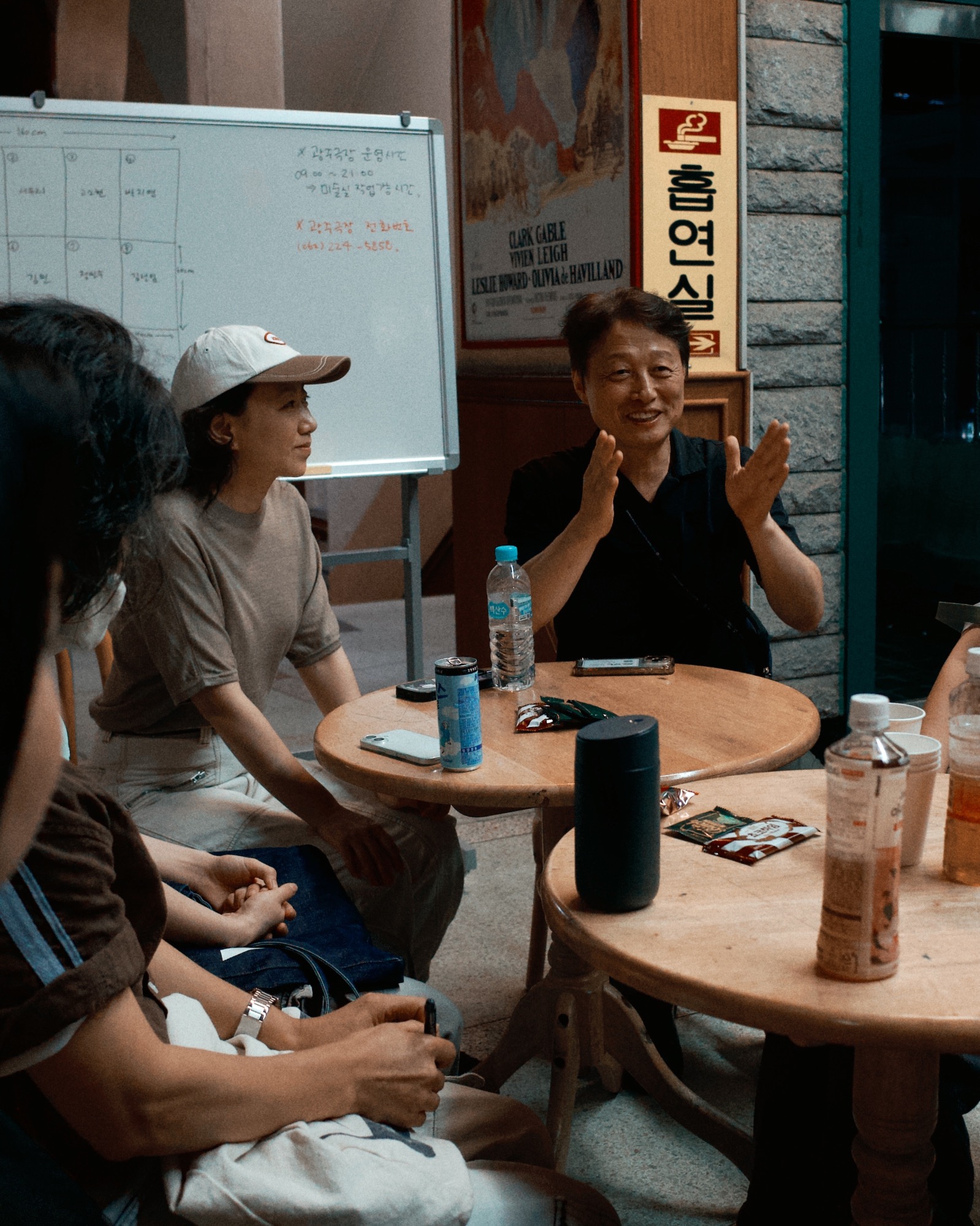
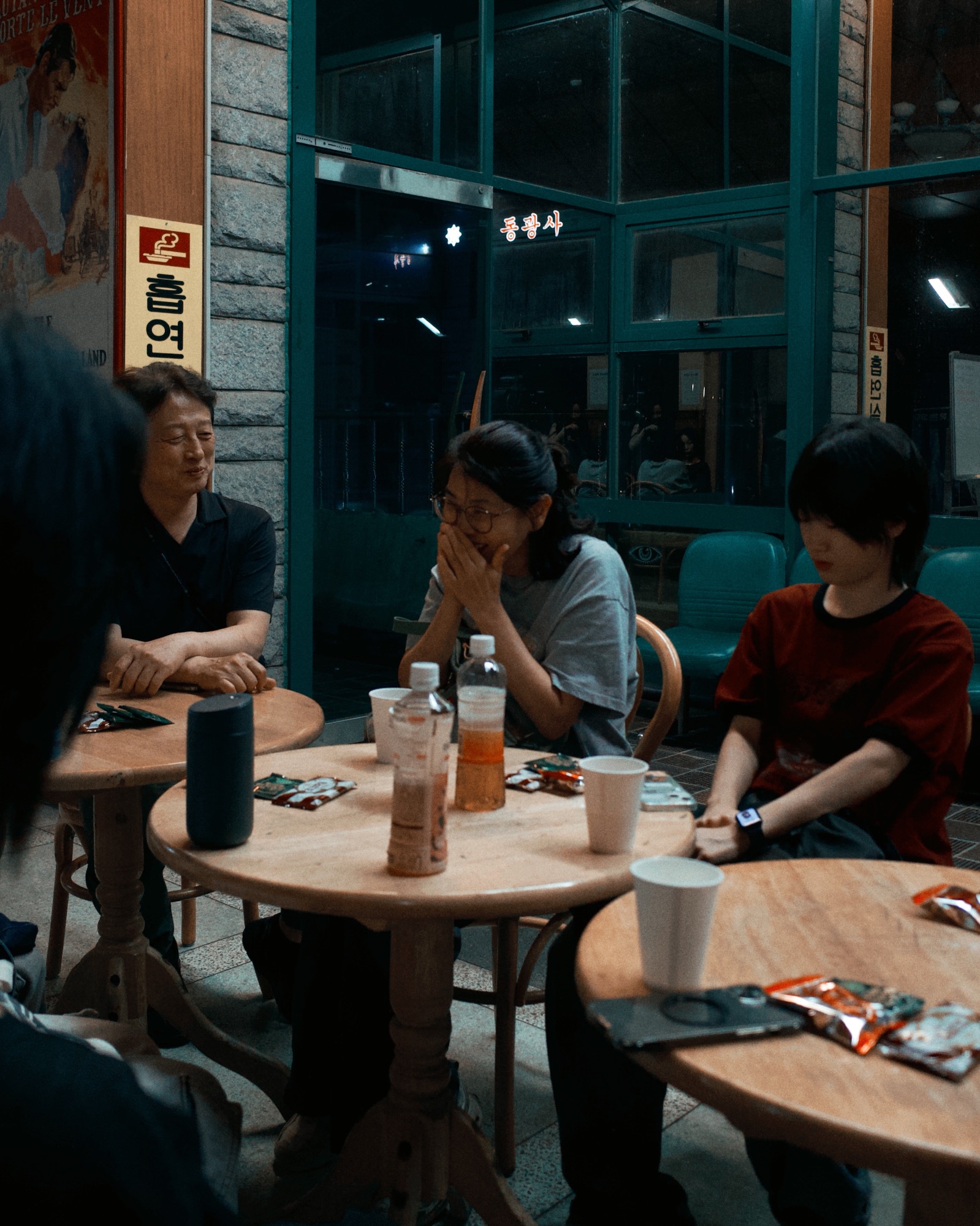
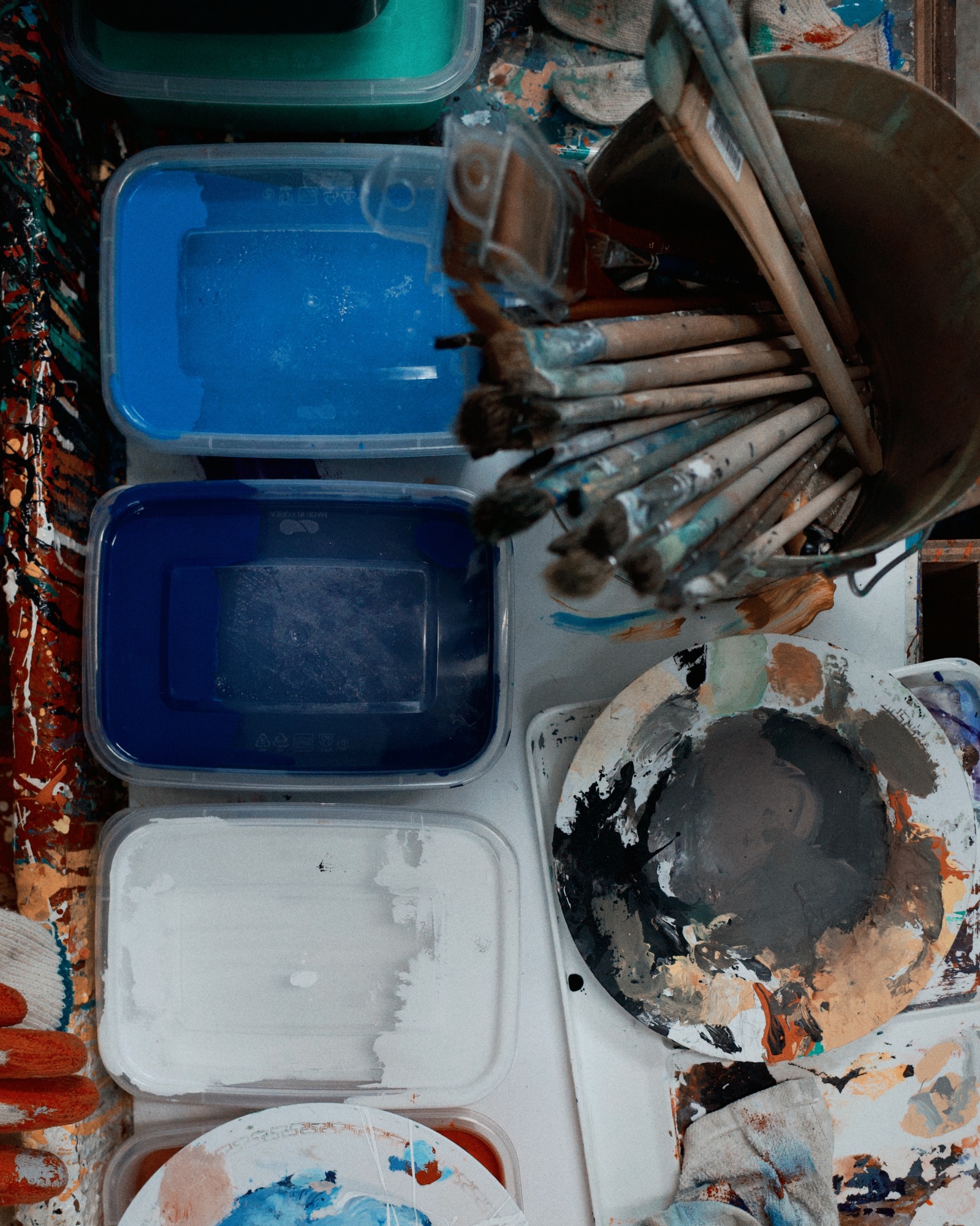
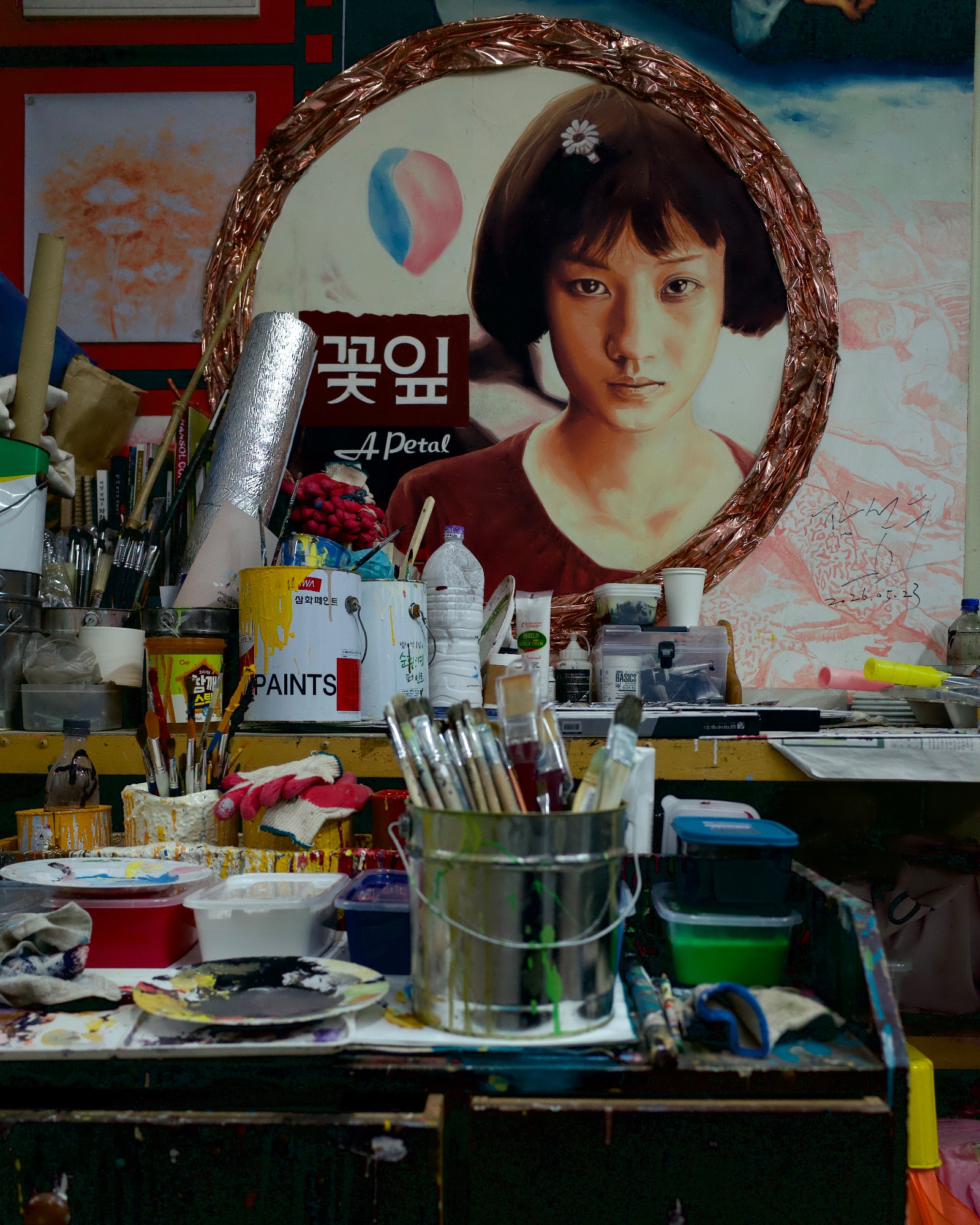
Gwangju 2030 is an on-going participatory project initiated in August 2026 as part of the IVAE Pavilion: Gwangju Theatre at the 2026 Gwangju Biennale. In collaboration with artist Park Tae-gyu, who is the last remaining film signboard painter and who long led Gwangju Theatre’s Film Signboard School, Jang invites participants of Gwangju residents to reflect together on Gwangju’s past and present, and to imagine how their city will be remembered and shaped in 2030, the 50th anniversary of the May 18 Democratic Uprising. Their diverse memories, experiences, and visions for the future will be brought together in a collectively produced cinema signboard installed at Gwangju Theatre.
Gwangju 2030, 2026.
Participatory art and installation in collaboration with Park Tae-gyu and participants.